Most SEO guides give you theory. Real-world search performance records give you proof. This article breaks down what actually worked across legal ecommerce, SaaS local and niche content industries, why it worked and what you can steal from each example.
Whether you just launched your first site or you manage enterprise-level organic campaigns these documented growth patterns reveal the decision-making frameworks that separate consistent rankings from sites stuck on page two.
What Makes a Documented Search Growth Story Actually Useful?
Most published growth records are agency success stories curated wins with the failures quietly removed. That selective publishing distorts reality. A genuinely useful documented example clearly states the baseline: traffic before rankings before domain authority before.
It names specific tactics not vague references to “content marketing” but concrete actions like restructuring internal linking across 200 pages or building topical clusters around each service area. It shows a timeline because organic search growth is not a switch. And crucially it acknowledges what failed.
Keep one filter active while reading: results depend heavily on competition level domain age content quality budget and timing. Context is everything. Extract the mechanism not the outcome.
Legal Industry: Competing Where a Single Click Costs Hundreds!
Personal injury law sits at the extreme end of competitive difficulty. Cost-per-click values in major metro areas exceed several hundred dollars per click which signals the commercial intensity involved.
A California-based personal injury firm faced heavy dependence on paid acquisition with almost no organic presence. The approach taken was methodical.
A full technical audit revealed crawl inefficiencies and duplicate content across practice area pages, a structural problem common on law firm websites built with template-heavy CMS platforms.
The content architecture shifted to a hub-and-spoke model. Instead of optimizing one page for a head keyword the team built topical clusters: the core service page as the hub supported by content covering accident procedures, contingency fee structures, negligence standards under state law and insurance negotiation tactics.
This cluster structure signals genuine topical authority to search engines rather than isolated keyword targeting.
Schema markup for legal services FAQs and local business data was implemented. Attorney credentials, bar memberships and case outcomes were surfaced explicitly as experience expertise, authoritativeness and trustworthiness signals.
Link building involved placements on legal news publications and local business journals and a handful of high-authority contextually relevant links consistently outperforming dozens of low-relevance ones.
Within 14 months organic traffic grew from negligible to representing a meaningful share of inbound leads allowing the firm to reduce paid ad dependency substantially.
Core lesson: Topical authority requires an ecosystem of supporting content not a single well-optimized page. Google evaluates subject matter coverage holistically.
Ecommerce: How Informational Content Lifts Commercial Pages?
Bloom and Wild a UK-based flower delivery brand operated in a space dominated by incumbents with massive budgets. Competing purely on transactional keywords like “flower delivery” would require either enormous domain authority or deep paid media spend.
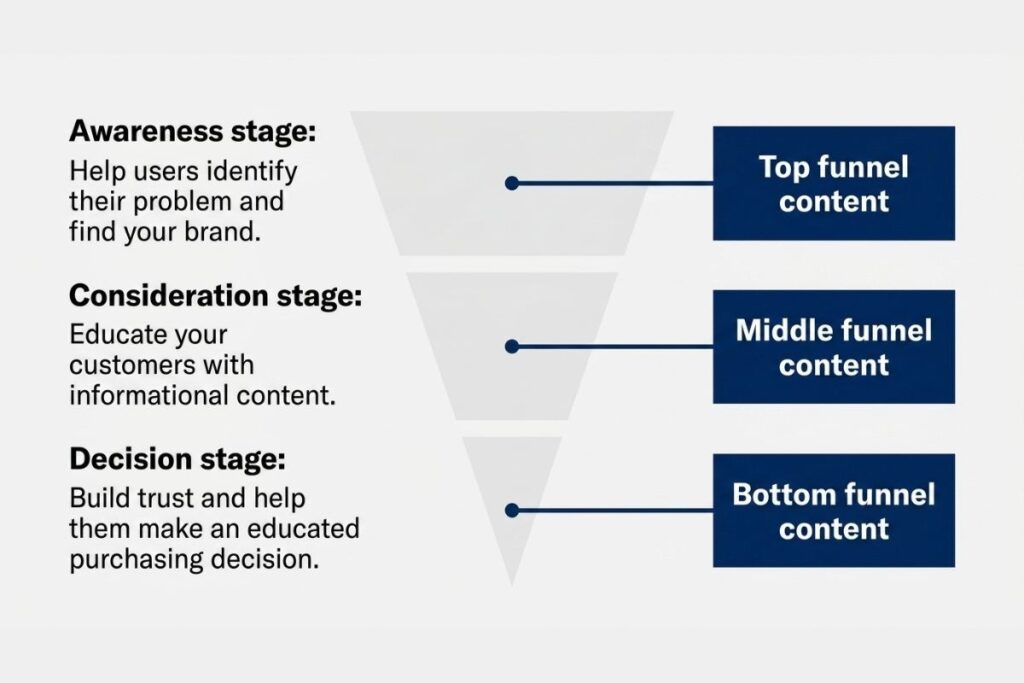
Their content team invested in seasonal and occasion-based content gift guides for key calendar events flower care resources variety-specific informational articles. This approach captured long-tail search queries that competitors ignored entirely in favor of transactional pages.
The compounding effect here is important: informational content attracts natural inbound links because other publications reference useful resources. Those links improve overall domain authority which in turn lifts the commercial category and product pages that drive actual revenue. The two content types function as a single ecosystem not separate strategies.
Technical execution was also strong site speed, mobile usability, product structured data and clean URL architecture all contributed to a foundation that allowed the content investment to convert into ranking gains.
Core lesson: Your blog is not a place for company news. A structured content strategy built around informational search intent creates compounding domain authority that your transactional pages benefit from directly.
SaaS: Product-Led Organic Growth!
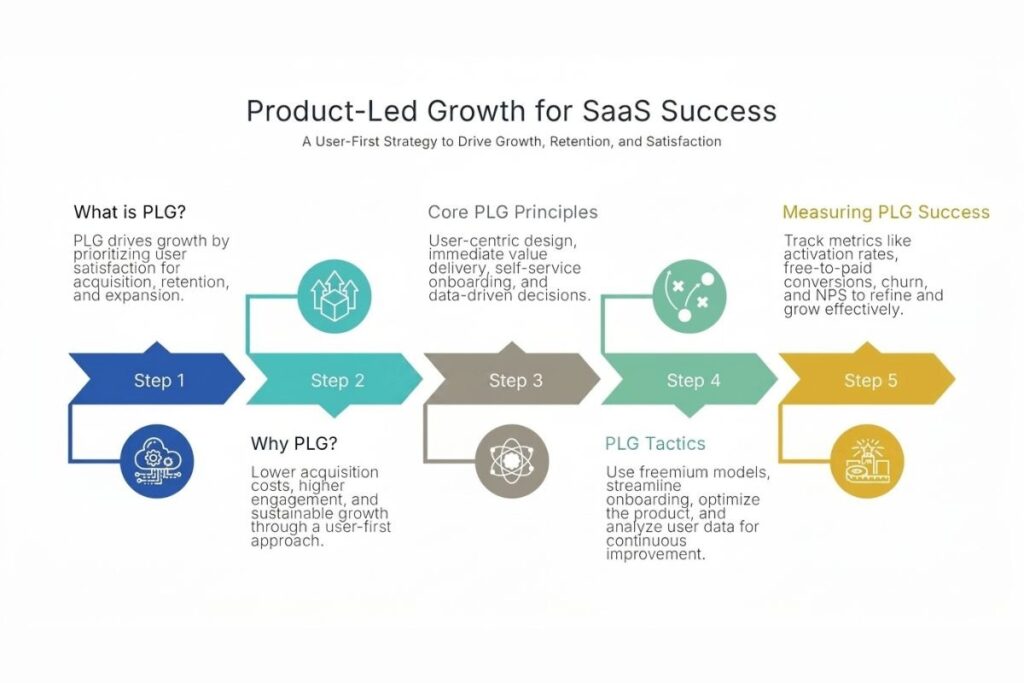
Later a social media scheduling platform built organic growth around free tools designed for their exact target audience. A free Instagram analytics tool attracts inbound links from marketing publications agency blogs and social media guides precisely the audience who might eventually convert to paying customers.
This differs fundamentally from traditional content marketing. A blog post requires a user to search, click , read and somehow convert. A free tool embeds itself into a workflow. The brand relationship becomes active rather than passive.
Later also built substantial search traffic through educational content targeting, social media marketers and their ideal customer profile. Content around algorithm changes platform growth strategies and analytics established the brand as a category authority.
Core lesson: For SaaS brands the most powerful search assets are often not articles but interactive tools, calculators and free-tier product features that generate organic demand through genuine utility.
Niche Content: Authentic Expertise vs. Keyword Engineering
Retro Dodo, a retro gaming site grew from zero to over one million monthly organic visits within approximately three years. The founder built around genuine passion and deep subject knowledge qualities that correlate increasingly strongly with algorithmic stability.
The content existed to serve a specific community not to satisfy keyword density targets. Keyword research shaped how expertise was expressed, not what the site was about. Google has become remarkably effective at distinguishing content created for genuine audiences from content engineered for search engines. Sites built around authentic expertise in well-defined niches maintain rankings through algorithm updates far better than sites that feel like optimization projects with thin editorial identity.
Link acquisition happened organically because the content was among the best available on the topic. Gaming publications, YouTube creators and community forums referenced Retro Dodo articles because they were genuinely useful not because of outreach campaigns.
Core lesson: Algorithm volatility consistently separates audience-first content from search-engine-first content. Real expertise signals first-hand experience specific opinions and clear authorial identity are increasingly detectable and rewarded.
B2B Authority Building: Depth Over Volume!
Ahrefs demonstrated that publishing frequency matters far less than comprehensiveness. Every piece of content the team produced aimed to be the most thorough available resource on that specific topic.
This is a deliberate tradeoff depth over volume and it produces a content library that generates consistent compounding search traffic month after month rather than spike-and-fade performance.
Their target audience search professionals and digital marketers actively search for topics their tool directly addresses. Content strategy and product strategy were fully aligned.
Original research and data-backed studies also played a significant role in their link acquisition. Original data is one of the most underused link acquisition mechanisms in most content programs and one of the most effective.
Core lesson: For B2B brands match content topics precisely to the search behavior of your ideal buyer profile. Comprehensive depth on fewer topics outperforms surface coverage across many.
Local Business: Review Velocity and Geographic Specificity!
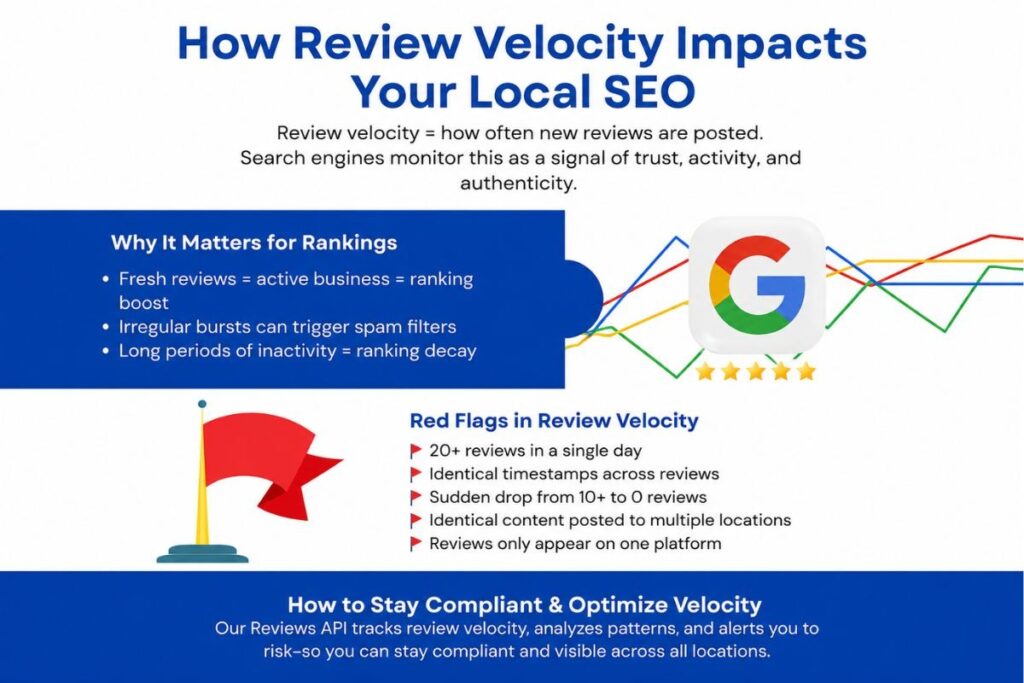
Local search operates by different rules. Google Business Profile optimization citation consistency review velocity and proximity factor alongside traditional ranking signals.
A med spa in the US Southwest was losing visibility to newer competitors despite a decade in the market. The newer businesses had aggressive review acquisition strategies and were outranking an established practice in the local pack.
The strategy involved three parallel workstreams.
First a complete Google Business Profile overhaul of all fields completed treatment-specific service categories, added fresh photos uploaded regularly and a consistent review request process implemented at the point of service. Review velocity matters considerably; a steady stream of new reviews outperforms a large volume of old ones.
Second service pages were expanded with genuine geographic signals, neighborhood-level content, FAQ sections and before-and-after documentation that competitors had not invested in.
Third NAP consistency, name, address & phone number across all directories was audited and corrected. Inconsistency across citations creates trust signal problems that most local businesses dramatically underestimate.
Within eight months the practice reclaimed top-three local pack positioning for primary service keywords.
Core lesson: Review velocity and geographic content specificity are the two most underinvested areas in local search for established businesses.
Patterns That Repeat Across Every Industry
After examining growth stories across verticals and site types several mechanisms appear consistently enough to treat as principles rather than tactics.
Topical authority outperforms isolated keyword targeting. Sites that build genuine depth on a subject matter rank for far more than they explicitly target. Google understands topic relationships and comprehensive coverage sends stronger signals than disconnected well-optimized pages.
Technical SEO is the foundation everything else rests on. Content and links receive most of the attention in organic search discussions but crawl issues, poor page speed or missing structured data leave meaningful ranking potential unrealized. In competitive niches technical execution is the difference between page one and page three.
E-E-A-T is a practical ranking factor not just a quality guideline. Clear human expertise signals author credentials first-hand experience institutional credibility correlates with algorithmic stability across health legal financial and consumer content categories.
Natural link acquisition compounds over time. Sites that create things other publications genuinely want to reference original research superior tools exceptional content build link profiles that outperform outreach-based campaigns in durability.
What These Stories Almost Never Tell You
Most significant organic results take six to twelve months to materialize meaningfully and eighteen to twenty-four months to reach their full potential. Algorithm updates will interrupt almost every multi-year campaign at some point.
Sites that recover built genuine audience relationships and legitimate content quality. Sites that do not recover are ranked primarily through technical manipulation rather than actual value delivery.
Competitor behavior also matters enormously and sits entirely outside your control. A well-funded new entrant can erode rankings even when your strategy is sound. That is not a failure of execution, it is a feature of competitive markets.
How to Apply These Lessons to Your Own Site?
Start with cases from your own niche or at a comparable development stage. The insights from a venture-funded content team of twelve are not useful if you run a small service business with limited budget.
Identify the specific mechanism behind the result. Not “they did content marketing” but “they built topical clusters around each core service area and addressed every question their audience asks before making a decision.”
Test at small scale before full commitment. If content refresh appears to drive organic improvement, update your five highest-traffic stagnant pages and measure for sixty days before rolling out site-wide.
Track leading indicators alongside traffic. Rankings for cluster keywords crawl rate and internal link equity distribution tell you whether a strategy is working before top-line traffic confirms it.
Conclusion
The organic growth records that age best share a common foundation: they were built around genuine audience value not search engine manipulation. Topical authority, technical excellence, authentic expertise signals and strategic link acquisition these principles remain consistent even as specific tactics evolve with algorithm updates.
The sites that win long-term in search are not the ones chasing ranking shortcuts. They are the ones that serve a specific group of people demonstrably well and build their search strategy as an extension of that mission. Study the mechanisms.
Apply the frameworks. But never lose sight of the fundamental principle: durable organic visibility is a byproduct of being genuinely specifically useful to people actively looking for what you offer.
FAQS
How long does it take to see results from an organic search strategy?
Most campaigns show meaningful results between six and twelve months with full potential often realized at eighteen to twenty-four months.
What is the difference between topical authority and keyword targeting?
Keyword targeting optimizes individual pages for specific terms. Topical authority builds comprehensive coverage across an entire subject area so Google recognizes the site as a reliable source on that topic.
Does domain age affect how quickly a new site can rank?
Yes. Newer domains typically face a trust gap. Building consistent high-quality content and earning genuine backlinks over time is the most reliable way to close it.
How many backlinks do you actually need to rank competitively?
There is no universal number. A few high-authority contextually relevant links in a niche consistently outperform dozens of low-relevance ones. Quality and relevance matter more than volume.
Can a site recover after a major algorithm update wiped out its rankings?
Yes but recovery depends on whether the site delivers genuine value to its audience. Sites built around authentic expertise and quality content recover. Sites that are ranked through manipulation typically do not.