Ranking on search engines is no longer just about keywords and backlinks. Websites that load slowly, deliver poor user experience or fail to engage visitors struggle to compete even with strong content. This is where Performance SEO becomes essential.
In this guide, you will learn how Performance SEO works, which metrics matter the most and how to optimize your website for faster load times, higher rankings and better conversions.
What Is Performance SEO?
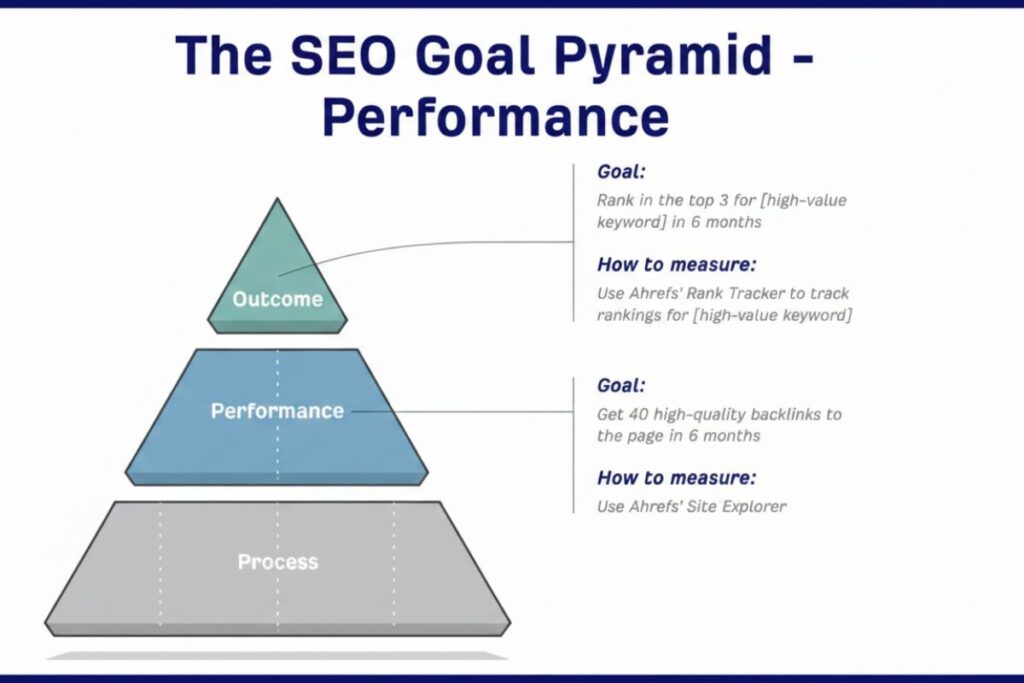
Performance SEO focuses on optimizing your website for speed, usability, technical efficiency and content effectiveness. Unlike traditional SEO which emphasizes keywords and links, Performance SEO measures the actual results of your SEO efforts including faster pages, higher rankings, better engagement and improved conversions.
It combines technical SEO content optimization, UX design and analytics to deliver measurable performance improvements. In 2026 Performance SEO is essential because search engines prioritize user experience metrics such as page speed, Core Web Vitals and mobile accessibility.
Why Performance SEO Matters
Performance SEO is critical because it directly impacts rankings, user experience and conversions. Faster load times improve your positions in search results since Google’s Core Web Vitals prioritize fast responsive websites. Pages that load efficiently across devices provide a better experience reducing bounce rates and keeping visitors engaged.
Optimized performance also increases conversions as users are more likely to interact with pages that load quickly and function smoothly. Additionally AI and voice search engines favor websites that deliver clear structured content with fast load speeds.
Key SEO Performance Metrics You Must Track
To truly understand how well your SEO strategy performs you need to track the right metrics. Performance SEO is not just about improving your website. It is about measuring what actually drives visibility engagement and conversions.
Start with organic traffic because it shows how many users find your website through unpaid search results. A steady increase in organic traffic signals that your SEO efforts are moving in the right direction.
Focus on keyword rankings to see where your pages appear in search engine results. Higher rankings increase your chances of getting clicks but tracking movement over time helps you identify which strategies deliver results.
Pay close attention to impressions because they reflect how often your pages appear in search results. High impressions with low clicks usually indicate that your titles or meta descriptions need improvement.
Click-through rate (CTR) tells you how compelling your search listing looks to users. If your pages get impressions but fail to attract clicks you should refine your headlines meta descriptions and content positioning to match user intent more effectively.
Conversion rate is where performance turns into real business impact. It shows how many visitors complete actions like purchases, sign-ups or inquiries. Strong SEO performance always connects traffic with meaningful outcomes.
Backlinks and domain authority help you measure trust and credibility. When authoritative websites link to your content search engines see your site as more reliable which improves rankings and visibility.
Core Web Vitals and technical health metrics measure how fast stable and responsive your website feels. These factors directly impact both user experience and search performance making them essential for long-term success.
Conduct a Performance SEO Audit
The first step in Performance SEO is performing a comprehensive audit to understand how your website is performing across technical content and UX dimensions. Use tools such as Google Page Speed Insights, Lighthouse, GTMetrix. HubSpot. Website Grader and Seobility SEO Checker to evaluate your site.
Focus on technical issues like broken links, slow server response and oversized assets as well as mobile responsiveness layout stability and tap target usability.
Assess content efficiency by analyzing word count keyword placement and internal linking while monitoring user experience metrics like Core Web Vitals bounce rate and session duration. Documenting these baseline metrics allows you to track improvements effectively over time.
Optimize Page Speed and Core Web Vitals
Page speed is the foundation of Performance SEO as slow websites negatively impact both user engagement and search rankings. Optimizing images and videos minifying CSS JavaScript and HTML enabling browser caching and using a CDN can dramatically improve load times.
Reducing server response times ensures your pages are fast, stable and interactive which helps Google recognize your website as high-performing.
Prioritizing Core Web Vitals not only improves rankings but also enhances user satisfaction making visitors more likely to stay and convert.
Content Performance Optimization
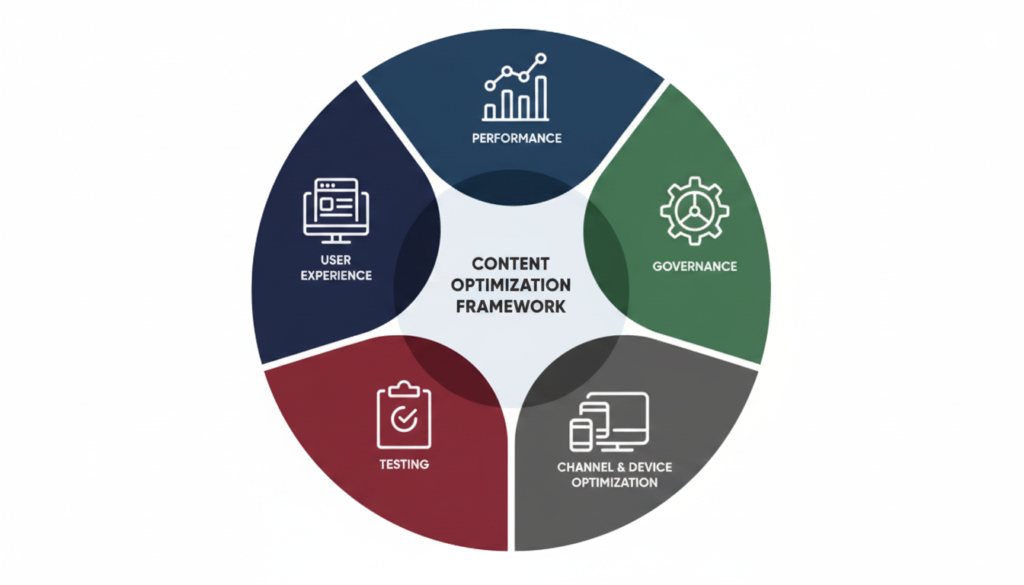
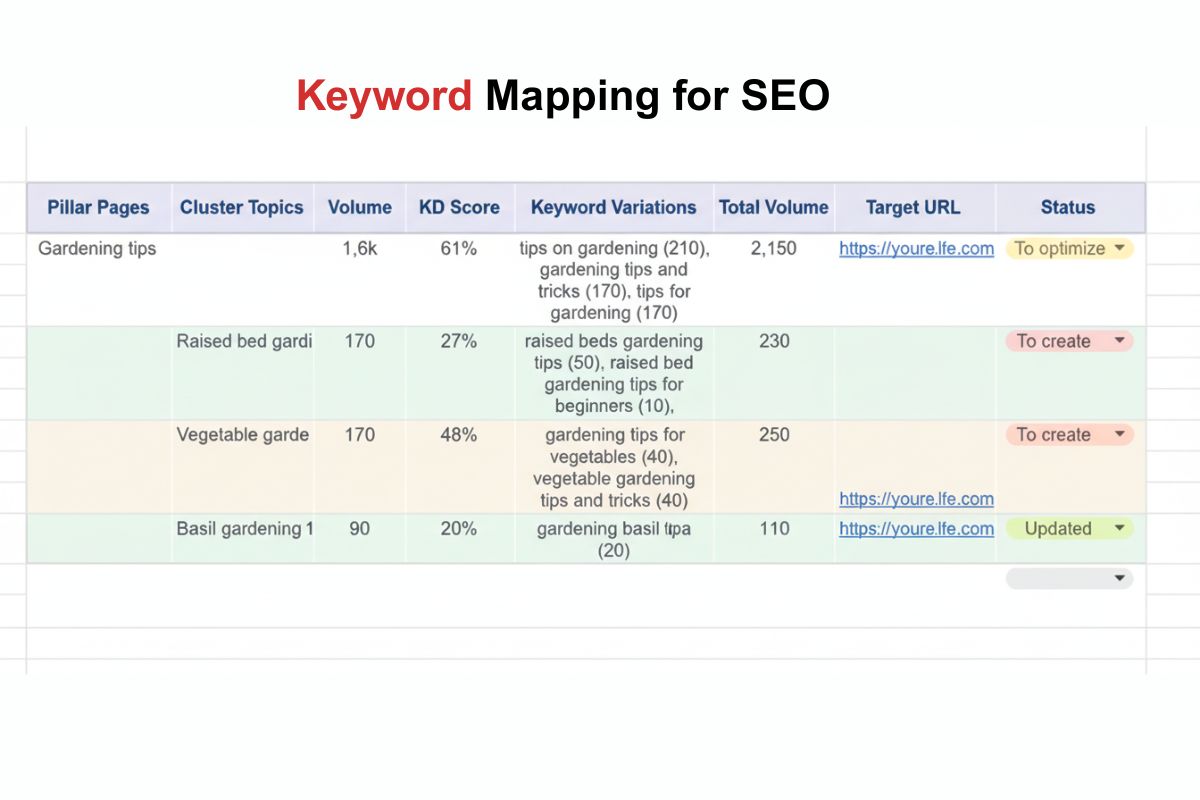
Content is a key component of Performance SEO because high-quality authoritative content drives both rankings and engagement. Target performance-driven keywords and structure your content using topic clusters with pillar pages for main topics and supporting pages for subtopics.
Regularly refreshing content ensures continued relevancy while internal linking strengthens the overall site architecture. Presenting content clearly with headings, paragraphs and visual media improves readability and user interaction.
Measuring success through metrics like clickthrough rate dwell time and bounce rate allows you to identify which pages are performing well and which need optimization.
Technical SEO for Performance
Technical SEO ensures that your website is crawlable, indexable and fast providing a strong foundation for performance optimization. Fixing broken links and redirect chains implementing schema markup and optimizing XML sitemaps and robots.txt files helps search engines better understand your website.
Ensuring HTTPS security proper server configuration and avoiding duplicate or thin content are also essential for maintaining authority and ranking potential. A technically sound website performs better in search rankings and is more likely to be recognized by AI-driven search engines.
Mobile Optimization
Mobile performance is critical as Google indexes sites mobile-first meaning mobile usability directly affects search visibility. Implementing responsive design, optimizing images for smaller screens and prioritizing mobile page speed ensures a smooth experience for mobile users.
Simplifying navigation and maintaining clear layouts improves engagement reduces bounce rates and enhances conversion rates. Websites optimized for mobile platforms demonstrate superior user experience which is a fundamental aspect of Performance SEO.
Analyze Track and Improve
Performance SEO is an ongoing data-driven process. Monitor key metrics such as page speed Core Web Vitals organic impressions clicks average position bounce rate session duration conversion rate backlink quality and internal link equity.
Tools like Google Analytics, Search Console, HubSpot, SEO Analytics, Seobility, SEO Checker and Moz Pro provide actionable insights to refine your strategies.
By analyzing these metrics you can continuously improve content technical infrastructure and user experience ensuring sustained performance and search visibility.
How to Evaluate SEO Performance Effectively?
Tracking data is important but understanding how to evaluate that data makes the real difference. Performance SEO requires a structured approach so you can turn insights into action.
Start by establishing a clear baseline. Compare your current traffic rankings and conversions with past performance to understand where you stand. This baseline helps you measure real progress instead of guessing results.
Use benchmarking to compare your website against competitors in your niche. This reveals gaps in your strategy and highlights opportunities you can use to outperform others in search results.
Monitor your performance regularly instead of checking data randomly. Track keyword rankings weekly to spot fluctuations early and review traffic engagement and conversions monthly to identify broader trends.
Focus on actionable insights rather than just numbers. For example if a page receives high impressions but a low CTR update the title and meta description to make it more compelling. If users leave quickly, improve content clarity structure and page speed.
Always connect your data with decisions. Every metric should guide an action whether it involves optimizing content improving technical performance or refining your targeting strategy.
The Role of Backlinks in Performance SEO
Backlinks remain essential for authority and rankings but in Performance SEO the focus is on link quality rather than quantity. High-quality backlinks from fast relevant and authoritative websites enhance trust and visibility.
Ensuring links are crawlable and non-toxic while using descriptive anchor text benefits both SEO and user navigation. Backlinks continue to signal credibility to search engines and AI platforms reinforcing your website’s authority within your niche.
AI and Performance SEO

Search engines increasingly use AI to evaluate website performance, content relevance and user experience. Optimizing content for AI readability through clear headings structured data and concise formatting helps search engines and AI-driven platforms understand your pages.
Ensuring fast page load speeds and monitoring which content AI favors can provide a competitive advantage in search rankings.
Incorporating AI insights into your Performance SEO strategy ensures your website meets the standards of both human users and algorithmic evaluation.
Conclusion: Make Performance SEO Your Priority!
Performance SEO is a competitive edge in 2026. Websites that combine speed technical excellence, authoritative content and superior user engagement consistently outperform slower less optimized competitors.
Following a structured Performance SEO roadmap including audits optimization tracking and iterative improvements can increase rankings, enhance load speeds, drive engagement and improve conversion rates.
Performance SEO is not merely a tactic but a long-term growth strategy that future-proofs your website against evolving search algorithms.
FAQs
What is the difference between traditional SEO and Performance SEO?
Performance SEO focuses on measurable results like page speed, user experience and conversions while traditional SEO primarily emphasizes keywords content and backlinks. It evaluates overall website efficiency rather than just ranking signals.
How long does it take to see results from Performance SEO?
Results vary based on website size complexity and current performance but improvements in page speed and technical fixes can yield noticeable ranking and engagement gains within a few weeks. Full performance benefits typically develop over several months.
Can Performance SEO improve mobile search rankings?
Yes Performance SEO prioritizes mobile optimization including responsive design and fast load times which directly impact mobile-first indexing and search visibility on Google and other search engines.
What are the most important metrics for Performance SEO?
Key metrics include page speed, Core Web Vitals, bounce rate, session duration, organic clicks and conversion rates. These metrics reflect both technical performance and user engagement.
Do I need special tools for Performance SEO?
While not mandatory tools like Google PageSpeed Insights, Lighthouse, HubSpot, SEO Analytics, Seobility, SEO Checker and Moz Pro provide valuable insights to monitor and improve site performance effectively.