Is social media inbound or outbound marketing? This is one of the most frequently asked questions by marketers today. Businesses of all sizes are eager to understand whether their social strategies belong to the inbound category or the outbound category. The confusion arises because social media sits in a unique position, combining characteristics of both approaches.
The problem many marketers face is not having clarity on how to leverage this balance properly. Some businesses rely too much on advertisements and lose engagement, while others focus only on organic content and struggle to scale.
You will understand what inbound and outbound marketing mean, how social media fits into each, which strategies deliver lasting results, and how to combine both approaches effectively. By the end, you will have a roadmap for using social media as a powerful marketing engine in 2024 and beyond.For more insights on startup tech and digital growth, explore the Rteetech homepage.
Understanding Inbound and Outbound Marketing

Inbound marketing and outbound marketing both aim to achieve the same result generating customers and increasing revenue. However, the approaches are very different.
What is Inbound Marketing
Inbound marketing is a strategy designed to attract customers by creating valuable and relevant content. Instead of reaching out first, you allow potential customers to discover you naturally. Social media supports inbound marketing when it is used to educate, inspire, or entertain in a way that answers the user’s needs.
Key aspects of inbound marketing on social media include:
- Content created for specific user problems.
- Engagement that feels voluntary and user-driven.
- Transparent and relationship-focused communication.
What is Outbound Marketing
Outbound marketing is a strategy in which businesses project messages directly to their intended audience without waiting for engagement. It is proactive, aiming to capture a wide group of potential customers at once. Social media supports outbound marketing when paid promotions, direct advertisements, or boosted messages are used to extend reach.
Key aspects of outbound marketing on social media include:
- Paid advertisements with targeted demographics.
- High-frequency promotional messaging.
- Outreach campaigns designed to achieve scale quickly.
I have explained inbound and outbound strategies for businesses across different industries, which has allowed me to see how theory translates into practice. This experience gives me confidence in presenting these concepts simply without losing depth.
Why Social Media is Often Seen as Inbound Marketing
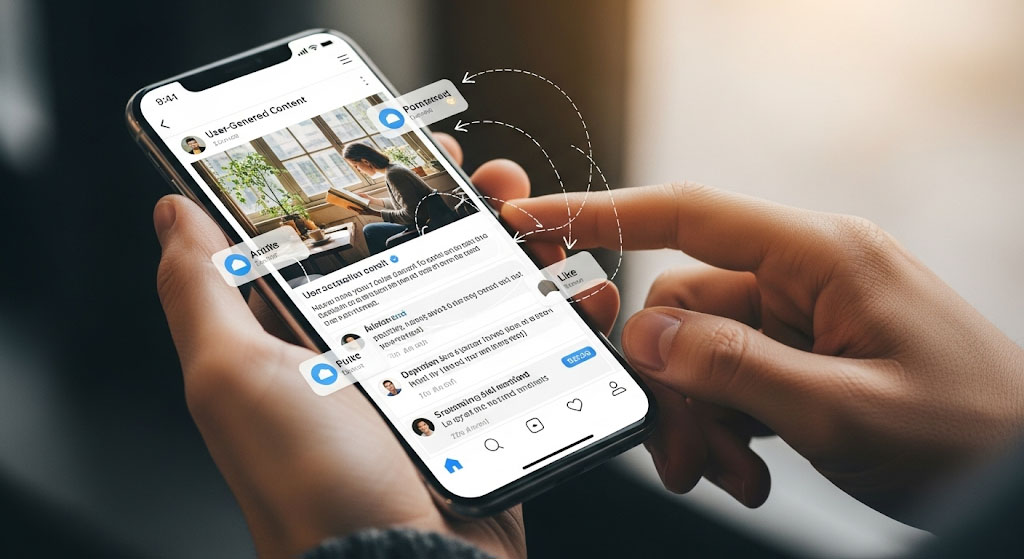
Many experts classify social media as an inbound channel first. This is because of the way it allows two-way communication, permission-based interaction, and content that naturally draws people in.
Characteristics that Make Social Media Inbound
- Content is discovered through feeds, hashtags, and shares rather than forced distribution.
- Audiences willingly follow, subscribe, or engage with the brand page.
- Dialogue takes place instead of one-way broadcasting.
- People come for content value (guides, tips, discussions) before purchasing.
When businesses consistently post educational and engaging material on platforms, their community grows, trust builds, and social channels drive inbound leads. In my work, I have observed how authentic engagement and consistent content earn far stronger long-term results than quick promotional pushes.
When Social Media Functions as Outbound Marketing

Despite its inbound DNA, social media also supports outbound methods. It becomes outbound when firms prioritize promotions and advertising above conversations.
Signs Social Media is Operating Outbound
- Campaigns are focused primarily on paid advertisements and boosted posts.
- Messaging is geared toward mass audiences rather than segmented groups.
- Communication is largely one way, projecting rather than listening.
- Personalized interaction is limited compared to the frequency of promotions.
Outbound on social media is not ineffective. In fact, it becomes very powerful when selling at scale. However, when it operates in isolation without inbound support, the content feels forced and engagement declines.
The Best Use Case: Blending Inbound with Outbound

The most successful social strategies come from integration. Rather than debating whether social media is only inbound or only outbound, the stronger approach is to identify precisely how both serve the bigger picture.
How to Blend Both in Practice
- Share organic, helpful, and engaging posts that nurture followers naturally (inbound).
- Use paid promotions to extend the reach of posts that are already performing well (outbound).
- Retarget people who engaged with inbound content but did not yet convert (outbound tactic layered on inbound base).
- Maintain responsive community management while also running scheduled outbound campaigns.
I often advise businesses to merge inbound with outbound by testing content first, measuring response, and scaling through paid campaigns. This hybrid design consistently balances authenticity with growth.
This balanced model ensures trust and community development through inbound, while also ensuring strategic scalability with outbound.
Challenges of Using Social Media for Inbound and Outbound Marketing

Using social media as either inbound marketing or outbound marketing sounds straightforward, but businesses often face difficulties in execution. If ignored, these challenges reduce the effectiveness of both strategies.
Common Issues with Inbound Marketing on Social Media
- Content overload on platforms leads to lower visibility.
- Maintaining engaging, consistent, and high-quality content requires planning and resources.
- Audiences lose interest if content feels repetitive or irrelevant.
- Building follower trust takes time compared to the faster results of outbound campaigns.
Common Issues with Outbound Marketing on Social Media
- Paid advertisements can become costly if not carefully targeted.
- Heavy reliance on one-way advertisements reduces authenticity.
- Audiences increasingly ignore or block intrusive promotions.
- Measuring return on investment requires detailed analytics, which not all businesses track effectively.
Clearly, both approaches have benefits but also require caution. Positioning social media purely as inbound or outbound without acknowledging these challenges can result in mismanagement.
Over the years, I have noticed that outbound campaigns work best when businesses measure ROI carefully, otherwise ad budgets disappear quickly.
Why Social Media is Primarily Inbound Marketing
Although social media allows for outbound methods, it is primarily inbound by nature. This is because its fundamental design supports pull-based interaction. Audiences come to platforms seeking entertainment, knowledge, and information. They then choose the accounts they want to follow and interact with.
Factors That Solidify Social Media as Inbound
- Engagement happens through voluntary actions such as likes, comments, and shares.
- Inbound messages provide value that builds long-term trust.
- The audience initiates deeper conversations when they require further information.
- Strategies are more sustainable and less intrusive in the long run.
Outbound additions, such as sponsored ads or retargeting, strengthen reach. However, the essence of social media still leans toward inbound practices.
Examples of Inbound and Outbound Practices Explained
It is easier to understand social media’s dual function when considering different approaches.
Inbound Examples
- Posting educational guides on how to use a product.
- Creating short videos that show solutions to common problems.
- Hosting live sessions where customers can ask questions directly.
- Encouraging user-generated content through relevant discussions.
Outbound Examples
- Running display carousel ads that promote new discounts.
- Purchasing ad space to reach a broad user group.
- Sending sponsored messages within messaging features.
- Using paid retargeting ads for users who visited the business website.
By comparing both approaches side by side, one can see that inbound focuses on value and voluntary interaction, while outbound promotes visibility and urgency.
The Future of Social Media Marketing
As platforms evolve and audiences adapt, the debate surrounding whether social media is inbound or outbound marketing continues to change. However, clear trends are appearing that indicate the future balance of both.
Shifts Supporting Inbound
- Growing importance of niche communities on platforms.
- Rise of authenticity-driven content such as live Q&A sessions and interactive polls.
- Algorithms increasingly favor content that encourages meaningful engagement rather than one-way communication.
Shifts Supporting Outbound
- Advertising tools are becoming more advanced, including AI-powered targeting.
- Shorter attention spans push brands to invest more in paid placement.
- Companies seek faster measurable results, leading many to integrate programmatic ads.
The balance will therefore remain dynamic. Businesses cannot afford to rely solely on inbound or solely on outbound. A hybrid approach aligned with current trends will deliver the strongest performance.
A Strategic Framework for Balance
Rather than choosing sides, businesses should structure their social media plan around a hybrid model.
Practical Framework
- Begin with inbound by producing content that answers user problems.
- Use performance metrics to identify which inbound content performs best.
- Amplify high-performing content through outbound advertising campaigns.
- Retarget engaged users to increase conversions.
- Continue to maintain a dialogue even after sales are completed to strengthen loyalty.
This framework ensures that a brand does not lose authenticity while also ensuring large-scale growth through outbound support.
The Journey Behind My Work:
I have worked in SEO and digital marketing for over eight years, where I have tested how different strategies influence results. Through direct involvement in projects across multiple industries, I have studied how social media can function both as inbound and outbound marketing. My experience includes measuring data-driven outcomes from content engagement as well as promotional campaigns.
My expertise is in technical SEO, advanced content writing, and building hybrid inbound and outbound strategies. I hold certifications in digital marketing and content optimization, and I regularly apply performance analytics to improve campaign outcomes.
I contribute insights to marketing communities and follow evidence-based SEO practices aligned with respected references such as Google Search Central, Moz, and Ahrefs. I have been recognized for creating strategies that improve organic authority while integrating outbound growth.
My approach emphasizes credibility, ethical marketing practices, and transparent communication. I only rely on credible resources and always clarify that results can vary depending on business goals and markets. By maintaining honesty and focusing on long-term growth, I ensure that strategies remain sustainable for businesses.
Conclusion
So, is social media inbound or outbound marketing? The reality is that social media is not confined to one category. By its nature, it is primarily inbound because it allows audiences to pull information and engage on their own terms. However, it becomes outbound the moment businesses focus heavily on paid promotions and advertisements.
Treating social media as both inbound and outbound marketing, and blending them into a single strategy, delivers the greatest returns. Businesses that apply this balance unlock sustainable growth, stronger trust, and broader reach.learn more about our SEO for business growth strategies instead of just “Rteetech LCC”
FAQs:
What makes social media inbound marketing?
Social media is considered inbound marketing because users choose to engage with the content. They voluntarily follow accounts, participate in discussions, and consume posts that provide meaningful value.
Why is paid advertising considered outbound marketing?
Paid advertising is outbound marketing since it pushes promotional messages to audiences who may not have opted in. It reaches broad groups by targeting demographics rather than waiting for users to engage first.
Can social media be both inbound and outbound marketing?
Yes, social media can be both. Organic posts, guides, and discussions reflect inbound, while sponsored advertisements and retargeting reflect outbound. The best strategies combine both.
What are examples of inbound marketing on social media?
Inbound examples include posting tutorials, sharing problem-solving content, hosting interactive polls, and encouraging user-generated content that naturally attracts engagement.
How do you integrate inbound and outbound marketing on social platforms?
Integration works by starting with strong inbound content, identifying the pieces that perform well, and then using outbound campaigns such as paid promotions or retargeting to scale that success.
Which is more effective: inbound or outbound marketing?
Inbound marketing is more effective for building long-term trust, while outbound marketing provides faster results. Using both ensures balance between growth and sustainability.
Is influencer marketing inbound or outbound?
It can be either. When influencers naturally create authentic content showcasing their personal experience, it functions as inbound. When influencers are paid to broadcast promotion to large audiences, it shifts into outbound.
Why is social media an important part of inbound marketing?
Social media is critical to inbound marketing because it allows direct engagement, user-driven communication, and value-based interaction that earns loyalty without intrusion.