In today’s AI-first search era, semantic SEO is no longer optional, it’s essential. Ben Stace is a leading semantic SEO speaker and strategist helping brands shift from keyword stuffing to entity-driven, meaning-focused content that search engines truly understand.
Through his frameworks, Semantic Content Networks model, and agency Eleven Bananas, he has guided marketers toward building topical authority and sustainable growth.
This guide explores who he is, his core SEO pillars, recommended tools, case results, and why his approach aligns with modern strategies like those shared on Rteetech.
Who Is Semantic SEO Speaker Ben Stace?

Ben Stace is a semantic SEO consultant, speaker, and digital marketing strategist based in the United States.
He is the founder of Eleven Bananas, an SEO and content strategy agency that works with clients across multiple industries to implement semantic search frameworks that drive long-term organic growth. Ben’s expertise sits at the intersection of technical SEO, content architecture, and AI-driven search understanding.
His work focuses on helping websites communicate meaningfully with both human audiences and search engine algorithms, a balance that becomes more critical with every Google core update.
He is a recognized voice at global SEO and digital marketing conferences, sharing practical, research-backed frameworks for building topic clusters, implementing structured data, and optimizing for entity relationships, the foundation of how modern search engines evaluate content quality.
His core philosophy: SEO is not about chasing algorithms. It is about understanding how search engines interpret meaning and creating content that matches that understanding at every level.
What Is Semantic SEO and Why It Matters in 2026?
Traditional SEO was built on keywords, backlinks, and on-page tags. As Google evolved through AI models including BERT, MUM, and RankBrain, the focus shifted dramatically, from matching words to understanding intent, context, and entities.
Semantic SEO is the practice of optimizing content around meaning rather than isolated keywords. Instead of writing standalone pages targeting single search terms, semantic SEO builds topic ecosystems, interconnected clusters of content that answer every related question a user might have about a subject.
Ben Stace explains that semantic SEO helps brands achieve four critical outcomes:
- Build topical authority through comprehensive, interconnected coverage
- Use structured data and schema markup to clarify meaning for search engines
- Map entity relationships to align with how Google’s knowledge graph understands topics
- Enhance user experience through intent-based content flow that reduces bounce rate
In 2026, with Google’s AI Overviews, zero-click results, and LLM-driven interfaces playing a larger role in search, semantic SEO is no longer optional, it is the baseline for any brand that wants to maintain and grow organic visibility.
Ben Stace’s Three-Pillar Semantic SEO Framework
Ben Stace shares a consistent three-pillar framework across his speaking sessions, workshops, and consulting work:
Pillar 1: Topical Mapping and Entity Relationships
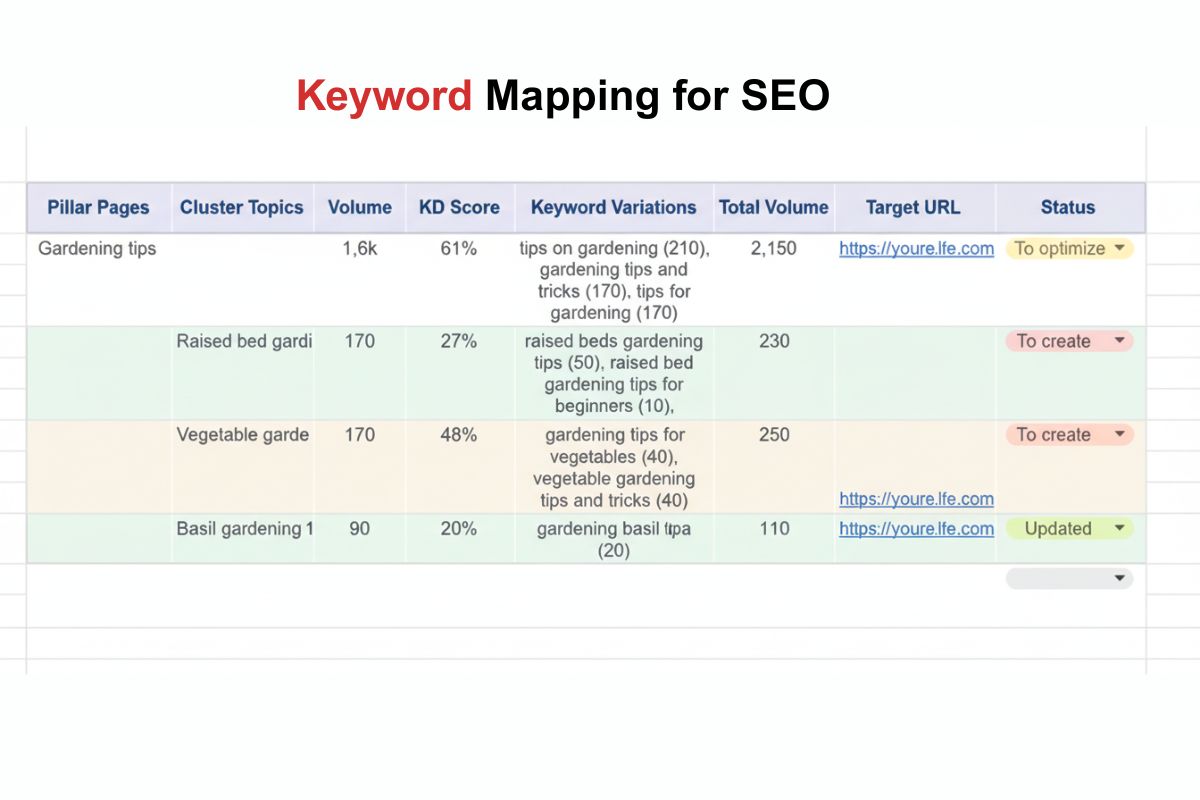
Identify all related entities, subtopics, and questions around a central theme. Build a visual topical map that defines the site architecture.
This map tells Google you are the authoritative source on the subject, not just for one keyword but for the entire topic ecosystem. Ben emphasizes starting from user questions and working outward, not from keyword volume.
Pillar 2: Natural Language Optimization
Write in a human, conversational style using NLP-friendly phrasing, semantic keywords, and contextually related terms that align with how AI systems understand language.
This means writing for meaning first and search engines second, a counterintuitive but consistently effective approach in the era of Google’s Helpful Content system.
Pillar 3: Technical Integration with Human Relevance
Combine technical SEO elements schema markup, structured data, strategic internal linking, with high-quality storytelling and genuine expertise.
This dual approach allows content to rank well technically while also resonating with real human readers. Ben calls this the point where algorithms and audiences meet.
The Ben Stace Framework for Semantic SEO
Ben Stace is strategy stands on three key pillars that he shares in his workshops and keynotes. Topical mapping and entity relationships focus on identifying all related entities, subtopics, and questions around a central theme. This helps build site architecture that signals authority to Google.
Natural language optimization emphasizes writing in a human, conversational style using NLP-friendly phrasing, semantic keywords, and related terms aligned with AI’s understanding of context.
Technical integration with human relevance combines technical SEO such as schema, internal linking, and structured data with high-quality storytelling. This dual approach allows content to rank well and resonate deeply.
Ben Stace’s Semantic SEO Writing Tool

One of Ben’s major contributions to the SEO world is his AI-powered semantic SEO writing platform, a next generation assistant designed to help writers optimize for meaning instead of keywords.
The platform offers real-time semantic keyword and entity suggestions, content completeness scoring based on topical coverage, integration with WordPress, Google Docs, and similar interfaces, competitor entity-gap analysis to identify missing semantic opportunities, and readability feedback to maintain natural flow. This tool is built for content creators, agencies, and brands seeking high-ranking, high-quality content.
Case Studies: Real-World Impact of Ben Stace’s Methods
Ben Stace’s semantic frameworks have delivered measurable success across industries. A UK-based SaaS startup grew organic traffic by 186 percent in four months after adopting topic clustering for eco-friendly software. An e-commerce brand achieved multiple featured snippets and rich results after implementing product schema and entity-based content linking.
A local service business improved visibility in “near me” searches through local schema and entity optimization. These results prove that semantic relevance consistently outperforms keyword density.
Why Ben Stace’s Approach Stands Out
While many SEO professionals still focus on keyword research and backlinks, Ben Stace’s strategies emphasize understanding search intent, entity optimization, and content ecosystems.
What sets him apart is his early adoption of AI and NLP in SEO frameworks, practical research-backed insights, proven case studies across diverse industries, and his integration of data, creativity, and technology. His talks not only educate but inspire marketers to rethink how search works and how meaning drives visibility in the AI era.
The Future of SEO: Context, AI, and Ben Stace’s Vision

In 2025 and beyond, SEO success will depend on contextual authority. As AI models grow more sophisticated, search results will favor those demonstrating expertise, understanding, and interconnected knowledge. Ben Stace’s vision of semantic-first SEO is already setting the benchmark for this new era. His frameworks, tools, and educational content help businesses stay ahead not by manipulating algorithms, but by communicating meaningfully with them.
“The future of SEO is not about search engines finding your content; it is about your content understanding what users mean.” Ben Stace
Conclusion
Ben Stace is a visionary redefining how search engines and humans connect through meaning. His Semantic SEO frameworks, AI writing tool, and educational leadership have made him a true pioneer in the industry.
If you are ready to master the next generation of SEO, following the insights of semantic SEO speaker ben stace could be your smartest step toward sustainable, future-ready digital growth. learn more about our SEO for business growth strategies instead of just “Rteetech LCC”.
FAQs
Who is Ben Stace and what agency does he run?
Ben Stace is a semantic SEO speaker and strategist. He founded Eleven Bananas, an agency focused on semantic search frameworks and content strategy.
What are Semantic Content Networks?
They are a structured content framework connecting pages through entity relationships. This helps search engines understand topical authority more accurately.
What topics does Ben Stace speak about?
He speaks on semantic SEO, AI in search, entity optimization, topical authority, and structured data strategies.
What tools does he recommend?
He recommends InLinks, MarketMuse, Surfer SEO, SEMrush Topic Research, and schema markup tools for entity and NLP optimization.
Can semantic SEO improve local rankings?
Yes, entity optimization and local schema markup improve visibility in near-me searches and Google’s local pack.
How is his approach different from traditional SEO?
Traditional SEO targets keywords and backlinks, while his method focuses on meaning, entities, and content ecosystems aligned with AI search.