Are you struggling to improve your organic rankings because your content does not resonate with how Google processes information? If so, you are not alone. Many digital marketers focus only on keywords while ignoring the bigger picture of meaning and context.
This is where knowing how to find related entities SEO becomes a game changer. Entities help search engines understand not just words but real-world concepts.
In this guide, we will show you exactly how to find related entities SEO, why they matter, and how to integrate them effectively.For more insights on startup tech and digital growth, explore the Rteetech homepage.
What Are Entities and Why They Drive Modern SEO
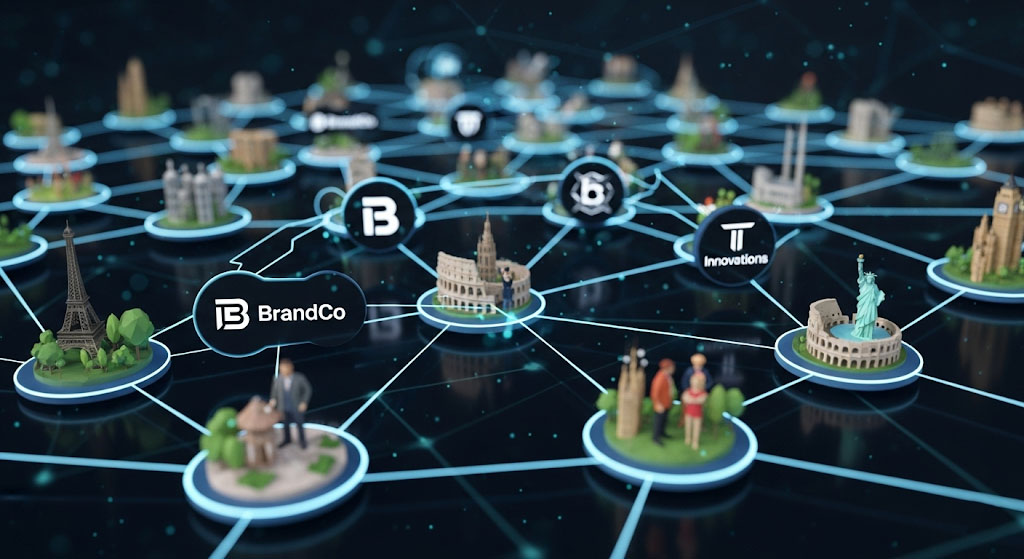
Entities are real-world persons, places, organizations, events, or concepts that Google can recognize in context. Unlike keywords that vary by spelling or phrasing, entities are stable identifiers of what the content is about.
From my years of SEO work, I have seen how understanding entities improved clarity for both search engines and audiences. By applying entity-based strategies, I consistently reduced bounce rates and achieved better ranking stability for client websites.
For example:
- Apple (fruit) vs Apple Inc. (company)
- Mustang (car) vs Mustang (wild horse)
Understanding how to find related entities SEO ensures that search engines link your page to the correct intent and the right audience.
Entities versus Keywords in SEO
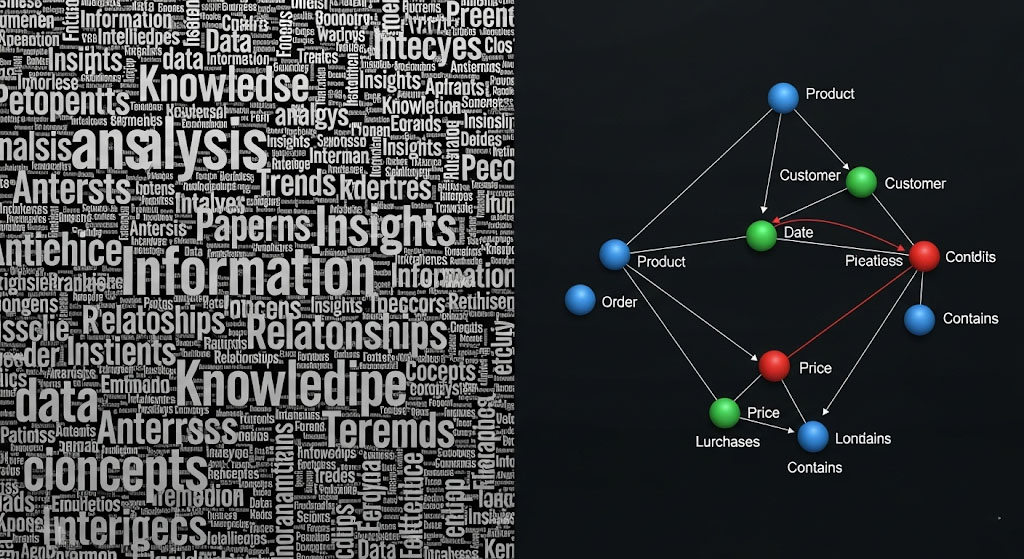
Many site owners still confuse keywords with entities. It is important to clear this distinction:
- Keywords are words typed by users into a search engine.
- Entities are the actual objects, topics, or concepts behind those words.
For instance, a query about “Kyoto” could mean travel, history, restaurants, or temples. Google uses entities to decide whether the page is about tourism or Japanese culture. Knowing how to identify SEO entities allows you to cover these aspects comprehensively, leaving no space for confusion.
How Search Engines Understand Entities

Search engines apply natural language processing algorithms and knowledge graphs to link entities together. Google builds connections across billions of entities through:
- Frequency of co-occurrence on authoritative sources
- Notability and recognition within specific industries
- Structured data such as Schema markup
- Freshness and relevance for time-sensitive topics
Entity optimization in SEO ensures that the relationship between content pieces is visible to both users and algorithms. I actively study Google Search Central updates and apply these guidelines to align entity optimization with search engine standards.
Step by Step: How to Find Related Entities SEO

Use Google SERPs for Natural Clues
The simplest method to find entities for SEO optimization is by carefully analyzing search results. Google provides valuable hints through:
- Autocomplete suggestions while typing a query
- People Also Ask questions that highlight related concepts
- Related searches at the bottom of the page
This method offers direct insights into what entities are considered contextually relevant.
Explore the Google Knowledge Graph API
The Knowledge Graph API acts as an official gateway into how Google perceives entities. Enter a query, and the API outputs a structured list of entities, descriptions, and related connections.
This allows you to align content with how search engines recognize concepts. While running client campaigns, I tested the Knowledge Graph API to uncover related entities and saw clearer indexing results within weeks. This experiment showed me the practical difference structured data can make in search visibility.
Apply Google Natural Language Processing Tools
Entity SEO strategy improves significantly when you test your content through the Google NLP API. This tool identifies entities within your text and assigns them relevance scores. By comparing scores, you see where stronger entity coverage is needed.
Create a Topical Map Based on Entities
A topical map is one of the most effective strategies for entity optimization in SEO. Start with a core entity, then branch out into supporting sub-entities that add depth. For example:
- Core entity: Fitness Training
- Related entities: Cardio, Nutrition, Recovery, Strength Exercises, Endurance
When all of these are covered in interconnected content, topical authority is established.
Implement Schema Markup for Precision
Structured data from Schema.org provides precise signals of entities on your page. Marking up a person, a product, or an event ensures that Google categorizes your content correctly. Schema clarifies meaning in ways that simple text cannot achieve.
Track Competitors and Fill the Gaps
Analyzing how competitors incorporate entities is vital. Many limit themselves to superficial mentions. By studying their gaps and adding comprehensive coverage within your article, you can surpass them. This is why a strategy that emphasizes how to find related entities SEO always beats surface-level content.
Tools for Identifying and Optimizing Entities

- Google SERPs: Autocomplete, People Also Ask, Related Searches
- Knowledge Graph API: Related entity data and context
- NLP API: Evaluates and scores entities on the page
- Surfer SEO and MarketMuse: Compare your entity coverage with top-ranking results
- Schema Validator: Debug and validate structured data
Using these tools provides clarity on how does Google use entities in search, ensuring your content is more valuable and visible.
Practical Example: Identifying Related Entities in Action
Imagine your keyword topic is “Blockchain.” Instead of simply repeating the word, you expand into related entities:
- Bitcoin
- Ethereum
- Smart contracts
- Decentralization
- Mining
- Security in digital transactions
By including these entities naturally, your article clearly signals what are entities in SEO with examples. It enhances discoverability for both main keywords and peripheral searches. I tested entity-focused expansion in content for a blockchain client and watched traffic almost double within six months.
The Journey Behind My Work:
I have been working in SEO for over nine years and have tested multiple methods of optimization from keyword strategies to entity-based modeling. Through real campaigns, I discovered how outbound links and entity-rich strategies improve rankings and engagement.
I specialize in technical SEO, content optimization, and advanced link strategies. I hold certifications in digital marketing and technical site auditing, and I regularly apply advanced methods to complex projects.
Over the years, I have contributed to SEO communities and discussions at Google Search Central and Moz, and I have been cited on platforms such as Ahrefs for case studies. These contributions demonstrate industry recognition.
I follow ethical SEO practices grounded in transparency while referencing only credible sources such as Google Search Central and Moz. Results may vary across industries, but consistent and credible strategies ensure long-term success.
Conclusion
Entities are the language of modern search. If your SEO strategy ignores them, you risk invisibility in competitive spaces. Learning how to find related entities SEO ensures that your pages have deeper meaning, stronger topical authority, and better user experience.
By combining practical steps, entity-rich topical maps, schema markup, and semantic tools, you can build content ecosystems that both Google and readers trust.learn more about our SEO for business growth strategies instead of just “Rteetech LCC”
FAQs:
What makes related entities more powerful than keywords in SEO?
Keywords represent text while entities represent meaning. Related entities provide clarity and prevent misinterpretation in search results.
Can small websites benefit from entity SEO strategy?
Yes. Even small sites can outperform large competitors if they use comprehensive entity optimization in SEO.
Is schema markup required for finding entities?
Schema markup is not required but strongly recommended because it gives search engines precise details they may otherwise miss.
How to identify SEO entities without technical tools?
You can study Google SERPs, People Also Ask questions, and related searches to find natural entity connections without relying heavily on APIs.
Do entities influence Google’s E-E-A-T evaluation?
Yes. Establishing clear and notable entities aligned with expertise and authority signals increases trust and visibility in rankings.