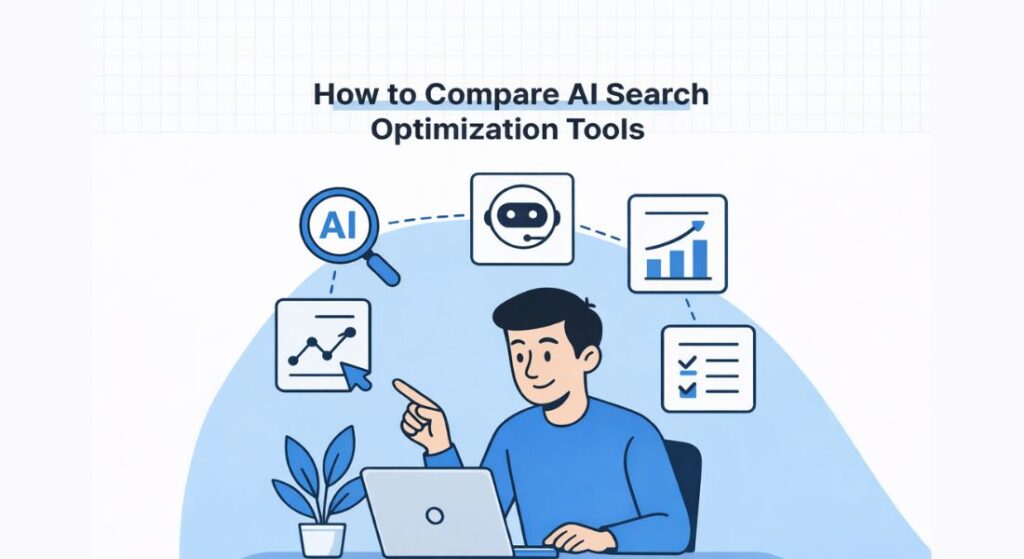
AI search has completely changed the way businesses discover and interpret information online. Unlike traditional SEO tools that focus on keywords rankings and backlinks AI driven search tools provide context aware intent focused results that can transform your content strategy.
Choosing the wrong tool not only wastes time but can also misdirect your marketing and SEO efforts. This guide helps you understand 10 critical signals for comparing AI search optimization tools so that your team can track visibility, optimize content and scale AI driven insights effectively.
What Are AI Search Optimization Tools?
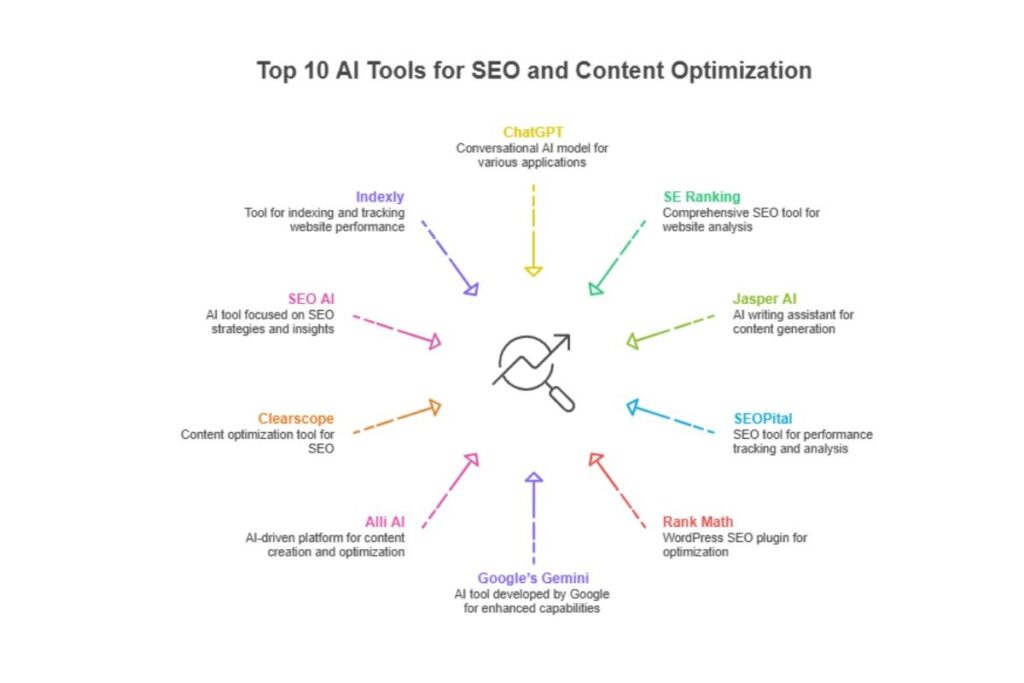
AI search optimization tools go beyond conventional SEO. They help businesses track how their content appears in AI driven search engines such as ChatGPT, Google AI Overviews, Perplexity and Gemini.
These tools measure visibility in AI generated answers and analyze how large language models (LLMs) interpret queries. Additionally they offer insights into content intent and semantic relevance helping teams understand why certain content is favored by AI.
They can identify missing topics, monitor how AI interprets structured data and even detect content misalignment with user intent. Teams can use these insights to prioritize updates, optimize key pages and improve AI visibility systematically.
Essentially they bridge the gap between traditional search analytics and next generation AI powered insights allowing organizations to stay ahead in rapidly evolving search landscapes.
Why Comparing AI Search Optimization Tools Matters?
Not all AI SEO tools serve the same purpose. Agencies might prioritize visibility tracking and competitor intelligence while content teams focus on NLP-based optimization and automated content briefs. Technical SEOs on the other hand look for platforms that integrate with CMS systems and analytics tools.
Comparing tools carefully prevents wasted time, avoids duplicate efforts and ensures your strategy aligns with business goals. It also allows teams to identify which tool supports multi-engine monitoring semantic keyword analysis and workflow automation which are critical for scaling AI driven insights.
Evaluating tools thoroughly empowers teams to make data backed decisions, leverage AI insights effectively and enhance ROI rather than simply adopting platforms based on popularity or price alone.
Key Differences Between Traditional SEO Tools and AI Search Optimization Tools
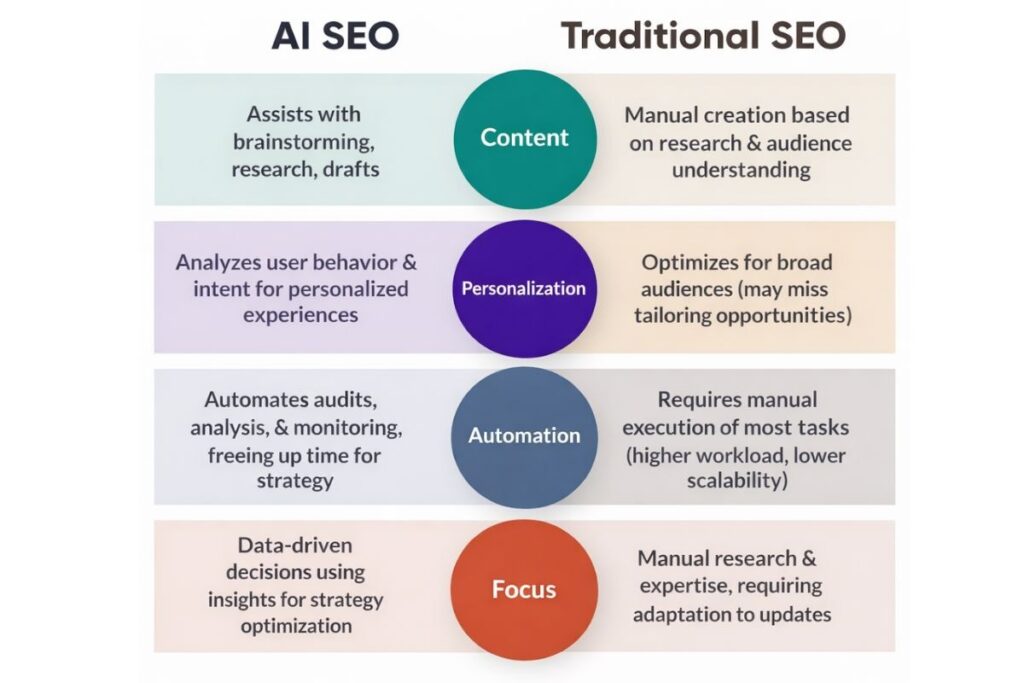
Traditional SEO tools primarily track keywords, backlinks and page rankings. AI search optimization tools however provide capabilities such as AI citation tracking AI visibility monitoring conversational query analysis and workflow automation.
AI tools also analyze semantic clusters and user intent showing which content is most likely to appear in AI generated answers. While traditional tools give a surface level view of search performance AI platforms deliver deeper insights into content relevance engagement signals and contextual impact.
Businesses can therefore optimize their strategies proactively identifying content gaps, trending topics and areas of high AI visibility which traditional tools might overlook. This distinction is critical for teams looking to maximize LLM search optimization and stay competitive.
10 Signals to Compare AI Search Optimization Tools
AI Visibility Tracking
The first signal is the ability to monitor brand mentions and AI citations across platforms. Tools with strong visibility tracking show how often your content appears in AI generated answers and highlight which sources contribute to your presence.
Expanded: A robust AI visibility system also prioritizes mentions by relevance and sentiment letting teams focus on high impact citations.
Visibility tracking can identify emerging competitors’ content opportunities and potential reputation risks enabling teams to act fast and optimize content where it matters most. This ensures that your brand presence in AI search remains strong, consistent and strategically aligned.
AI Search Result Monitoring
A tool’s monitoring capabilities should extend to multiple AI engines. You want to see results from ChatGPT Gemini and Perplexity and confirm that follow up queries maintain context.
Expanded: Advanced monitoring allows teams to track how AI responds to different query formats conversational questions and multi turn interactions. This ensures insights reflect actual user behavior in AI search environments.
With such monitoring teams can adjust content structure, refine FAQ sections and target topics that AI consistently prioritizes, increasing the likelihood of appearing in AI generated answers and improving discoverability across engines.
Content Optimization Capabilities
Modern AI SEO tools offer AI driven content suggestions and NLP based recommendations. This includes semantic keyword recommendations, topic clustering and gap analysis to identify missing concepts.
Expanded: Beyond just keywords these tools recommend phrasing headings and content relationships that align with AI interpretation.
They can identify overlapping content redundant topics or underutilized high value terms helping teams create fully optimized user focused articles.
Platforms like Surfer SEO guide content strategy to increase AI citation probability and semantic relevance making content both human readable and AI-preferred.
Keyword Intelligence
AI search tools need to understand conversational and multi word queries. They should generate clusters, suggest related questions and align recommendations with LLM search optimization strategies.
Expanded: Effective keyword intelligence tools map queries to user intent clusters revealing patterns in how AI interprets searches. This allows teams to plan content around semantically linked keywords optimized for AI citations and reduce guesswork in targeting LLM driven queries.
Automating content briefs based on keyword clusters also saves time, ensures consistency and boosts the relevance of articles in AI search results.
Automation and Workflow Integration
Workflow automation is a key differentiator. AI SEO platforms can automatically refresh existing content, generate briefs or schedule reporting without constant manual intervention.
Expanded: Automation also includes trigger based updates AI suggested improvements and batch processing of content audits. Teams can scale SEO operations efficiently ensuring content is always optimized for AI visibility without manual oversight.
Tools like AirOps enable smooth handoffs between research writing and publishing, improving productivity and reducing errors in multi team environments.
Competitor Intelligence
Tracking competitor performance is essential for AI driven SEO. The best platforms highlight competitor AI citations visibility in AI generated answers and trending topics.
Expanded: Advanced competitor intelligence provides side by side benchmarking alerts for new AI citations by competitors and insights into topics or formats that outperform your content.
Teams can adapt their strategy proactively creating content that targets gaps competitors miss and seizes opportunities where AI visibility can be improved.
Data Accuracy and Source Transparency
Reliable data is non-negotiable. AI search optimization tools must provide transparent sources for AI generated results, track metrics for precision and allow teams to validate outputs against verified datasets.
Expanded: Accuracy ensures that strategic decisions are grounded in trustworthy insights. Transparent sourcing allows teams to cross check AI citations, validate rankings and confirm content impact reducing the risk of misguided SEO strategies. Data integrity is particularly crucial when reporting to executives, clients or stakeholders.
Integrations and Ecosystem Compatibility
AI SEO tools should fit seamlessly into your existing technology stack. Look for compatibility with CMS platforms, analytics tools and APIs. Expanded: Seamless integration ensures that AI insights translate directly into actionable changes.
For example connecting a tool to your CMS allows automated content updates based on AI suggestions while integration with analytics platforms lets teams track real time performance metrics. Ecosystem compatibility also prevents siloed workflows making AI insights more efficient and impactful across teams.
Reporting and Analytics
Strong reporting capabilities help teams monitor performance efficiently. Dashboards should visualize AI visibility metrics adoption rates and engagement.
Expanded: Advanced analytics not only summarize data but also provide predictive insights. Teams can identify trends in AI citations, track content effectiveness across queries and measure the ROI of SEO efforts.
Customizable dashboards allow quick reporting for stakeholders enabling data driven decision making without spending hours analyzing raw data manually.
Pricing and Scalability
Finally consider cost relative to growth. Tools should be accessible to startups while scaling to enterprise requirements.Expanded: Scalable tools support growing teams expanding content portfolios and higher query volumes without requiring platform changes.
Pricing models should reflect usage team size and feature access ensuring startups get value while enterprises enjoy advanced capabilities. This scalability ensures that investments in AI SEO tools remain effective long term supporting evolving business needs.
8 Best AI Search Optimization Tools Compared
Several tools have emerged as leaders in the AI SEO space. Semrush AI Visibility Toolkit excels at competitor tracking and AI citation analysis. AI PR Toolkit combines traditional PR with AI visibility insights.
SparkToro helps content teams identify audience interests while AlsoAsked builds topic clusters reflecting real search behavior. Keyword Insights automates keyword clustering and content briefs.
Surfer SEO optimizes content with semantic NLP suggestions and AirOps automates workflows from research to publishing. Finally Screaming Frog focuses on technical SEO and integrates AI for tasks like automated alt text generation.
Which AI SEO Tool Is Best for Your Needs?
For agencies Semrush AI Visibility Toolkit and AirOps provide strong visibility tracking and workflow automation helping teams monitor AI citations competitor performance and campaign results efficiently.
Content teams benefit from Surfer SEO and SparkToro which offer semantic keyword suggestions, topic clustering and audience behavior insights. These tools help produce content that ranks in AI generated results while matching user intent.
Technical SEOs should focus on Screaming Frog for site audits and AI assisted optimizations like automated metadata and alt text generation.
Startups can rely on AlsoAsked or Keyword Insights for cost effective content planning, trending questions analysis and automated keyword briefs enabling small teams to compete effectively.
Common Mistakes When Comparing AI SEO Tools
Many teams make the mistake of focusing only on price or traditional SEO features overlooking data accuracy AI citation tracking and integration capabilities.
Assuming all AI tools work the same is another common error; ignoring semantic optimization LLM support or multi engine monitoring can reduce effectiveness.
Failing to assess real world performance across all 10 comparison signals may lead to poor ROI. A holistic approach ensures the chosen tool truly supports AI visibility workflow automation and content strategy.
Which AI SEO Tool Is Best for Your Needs?
For agencies Semrush AI Visibility Toolkit and AirOps provide strong visibility tracking and workflow automation helping teams monitor AI citations competitor performance and campaign results efficiently.
Content teams benefit from Surfer SEO and SparkToro which offer semantic keyword suggestions, topic clustering and audience behavior insights. These tools help produce content that ranks in AI generated results while matching user intent.
Technical SEOs should focus on Screaming Frog for site audits and AI assisted optimizations like automated metadata and alt text generation.
Startups can rely on AlsoAsked or Keyword Insights for cost effective content planning, trending questions analysis and automated keyword briefs enabling small teams to compete effectively.
Common Mistakes When Comparing AI SEO Tools
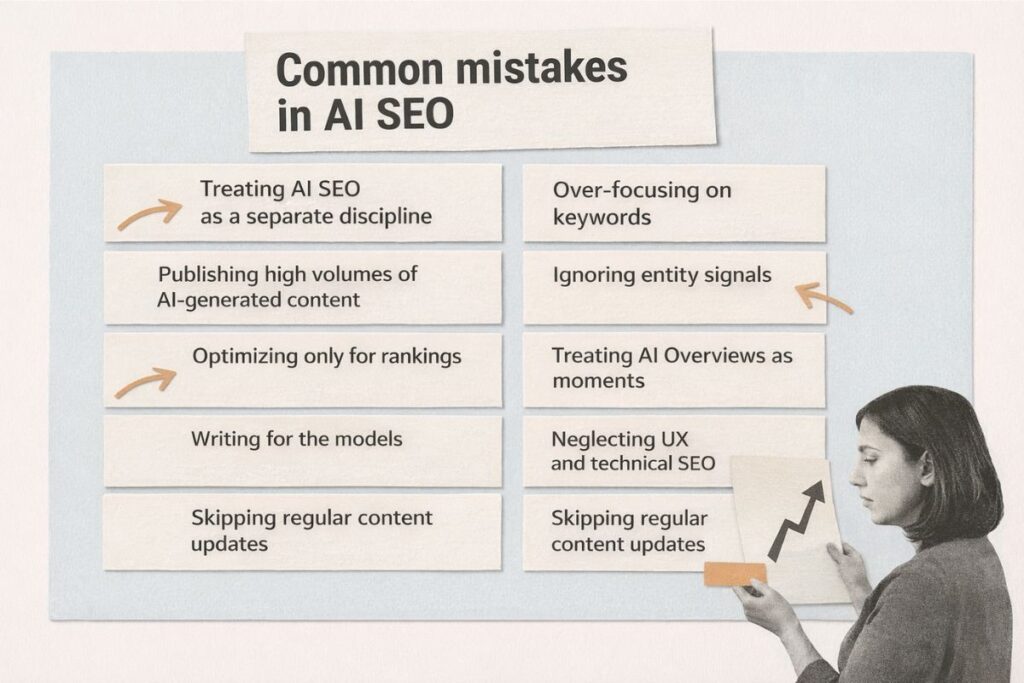
Many teams make the mistake of focusing only on price or traditional SEO features overlooking data accuracy AI citation tracking and integration capabilities.
Assuming all AI tools work the same is another common error; ignoring semantic optimization LLM support or multi engine monitoring can reduce effectiveness.
Failing to assess real world performance across all 10 comparison signals may lead to poor ROI. A holistic approach ensures the chosen tool truly supports AI visibility workflow automation and content strategy.
Conclusion
AI SEO tools are designed to assist not replace human strategy. Tools like Surfer SEO, Semrush and Screaming Frog can help monitor AI visibility, optimize content and track AI citations but the right strategy is what drives real results. Combining expert insight with AI search optimization ensures your content is discoverable, relevant and impactful in today’s rapidly evolving AI search landscape.
FAQs
How do AI tools track brand mentions across different AI engines?
Advanced AI SEO platforms monitor visibility in AI generated answers from engines like ChatGPT Google AI Overviews Gemini and Perplexity. They measure mention frequency, context and sentiment allowing you to optimize content strategy and ensure your brand stays prominent.
What factors should I consider before investing in an AI SEO tool?
Before buying an AI search optimization tool evaluate data accuracy AI visibility tracking workflow automation competitor intelligence integrations and scalability. The right tool should align with your team’s goals whether it’s content optimization, technical SEO or agency level reporting.
How do AI search tools differ from traditional SEO software?
AI search tools focus on LLM driven insights, AI citations and conversational queries while traditional SEO tools mainly track keywords, backlinks and page rankings. AI platforms measure how your content performs in AI generated answers rather than just search engine rankings.
Which AI SEO tool is best for tracking competitors’ AI citations?
Tools like Semrush AI Visibility Toolkit specialize in competitor intelligence allowing side-by-side comparisons of AI citations visibility and trending topics. These insights highlight opportunities to outperform rivals in AI search results.
Can AI SEO tools automate content refreshes and reporting?
Yes. Platforms like AirOps allow full workflow automation from keyword research and content briefs to article refreshes and reporting reducing manual work while keeping content relevant in evolving AI search results.