ALEKS is a powerful adaptive learning platform designed to personalize your math and science learning experience. Its diagnostic tests and adaptive learning paths identify what you already know and guide you to what you’re ready to learn next. For many students the platform can feel challenging because it constantly adjusts to your skill level.
The good news is that by integrating artificial intelligence into your study routine you can use ALEKS to your advantage, strengthen weak areas and improve your understanding without relying on shortcuts or memorization.
Understanding ALEKS and Its Adaptive System
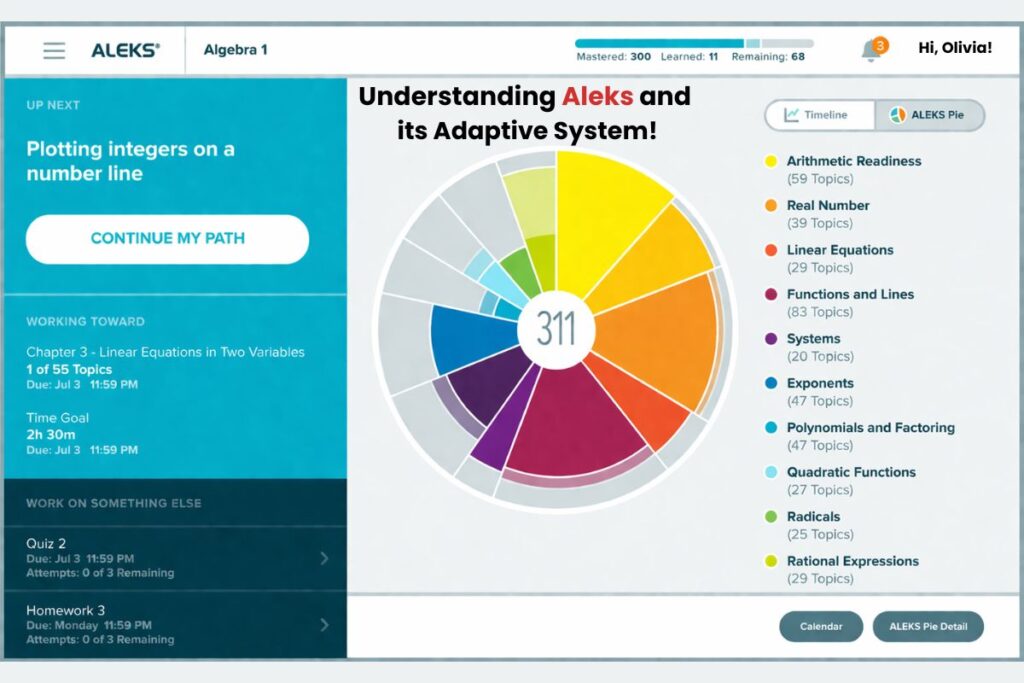
ALEKS doesn’t function like a standard quiz or multiple choice test. It assesses your knowledge through Knowledge Checks and maps your progress using the Pie chart which visually represents your mastery of different topic areas.
Each slice of the Pie highlights a specific competency showing both your strengths and areas that require improvement. Because the platform adapts to your answers, memorizing solutions isn’t effective. Instead understanding concepts and practicing strategically is key.
Recognizing how ALEKS sequences topics and diagnoses gaps gives you a foundation to use AI effectively as a learning partner rather than a shortcut.
Mapping Weak Topics for Targeted Improvement
By reviewing your ALEKS Pie chart regularly you can identify slices where you struggle most such as algebra calculus or geometry. Focusing on these weak areas allows AI powered tools to provide targeted practice generating problems that reinforce understanding while saving time on topics you already master.
Why AI Is Essential for ALEKS Success
Artificial intelligence can complement ALEKS by providing personalized guidance, instant feedback and alternative explanations for complex problems. Tools like ChatGPT Mathway and Wolfram Alpha break down difficult concepts step by step ensuring you understand the reasoning behind each answer.
AI flashcards and spaced repetition apps like Quizlet or Anki reinforce weak areas over time enhancing long-term retention. Using AI in this way strengthens your learning efficiency, builds confidence and improves problem solving skills. Instead of rushing through exercises you focus on mastering concepts, applying logic and preparing for future assessments.
When AI acts as a tutor and study partner it amplifies the adaptive learning system ALEKS offers turning diagnostic data into actionable improvement strategies.
Simulating ALEKS Style Problems with AI
AI can generate practice problems that mimic ALEKS Knowledge Checks allowing you to experience the platform’s adaptive style outside of the system.
For example if polynomial factoring is a challenge, request AI to create multiple problems of increasing difficulty with step-by-step solutions. This simulation reinforces learning and prepares you for the actual test environment.
Step-by-Step AI Workflows to Beat ALEKS

To maximize ALEKS performance you can use AI in a structured stepwise approach. Start by reviewing your Pie chart to identify slices where your proficiency is low. Next generate ALEKS-style practice problems using AI to simulate Knowledge Checks.
For example if algebra is a weak slice ask ChatGPT to create five progressively difficult equations and provide step by step solutions. Work through these problems carefully making sure to understand the logic behind each step.
When a concept remains unclear, leverage AI tutors to offer alternative explanations. Wolfram Alpha can break complex equations into smaller steps while AI chatbots like ChatGPT can present multiple solution methods, visual diagrams or even real world examples.
After practicing, revisit the Pie chart and track your progress. By iteratively practicing reviewing feedback and adjusting your focus you can systematically strengthen weak areas without wasting time on topics you already master.
Designing a Smart Ethical AI Study Plan
A structured study plan integrates ALEKS and AI into daily learning without overloading you. Allocate specific blocks for ALEKS practice followed by focused AI assisted review sessions.
For instance spend 25-40 minutes on a Pie slice then use AI tools to clarify mistakes, generate additional practice or visualize complex problems. Include short breaks to maintain focus and prevent cognitive fatigue.
Balancing ALEKS and AI Tools for Effective Learning
Integrating AI effectively means knowing when to rely on ALEKS and when to use AI support. ALEKS provides structured adaptive sequences while AI offers instant explanations, multiple problem-solving approaches and personalized practice.
Combining both strategically maximizes efficiency and ensures concept mastery without overdependence. Ethical use of AI is crucial. Never submit AI generated answers on ALEKS Knowledge Checks or assessments.
Instead use AI as a guide to understand why an answer is correct and how to apply the method to similar problems. By respecting the learning process you gain mastery of concepts while building genuine confidence and long term problem solving skills.
Maximizing Learning and Confidence
Pairing ALEKS feedback with AI insights enhances both comprehension and motivation. When you receive immediate AI feedback on practice problems you can identify recurring errors and address them before they affect your overall score.
AI flashcards and spaced repetition reinforce these corrections ensuring weak concepts become strong. Visualizing progress is equally important. Track your Pie slices over time and celebrate improvements, even small ones.
Seeing tangible growth increases confidence reduces exam anxiety and encourages consistent effort. By combining deliberate practice instant AI feedback and focused review you accelerate learning and achieve better results on ALEKS assessments.
Tracking Progress with AI Insights
AI tools can log practice history, highlight recurring mistakes and suggest customized drills. Using these insights alongside ALEKS Knowledge Checks ensures that your study sessions are data-driven reinforcing weak topics and steadily improving your proficiency.
Common Pitfalls to Avoid
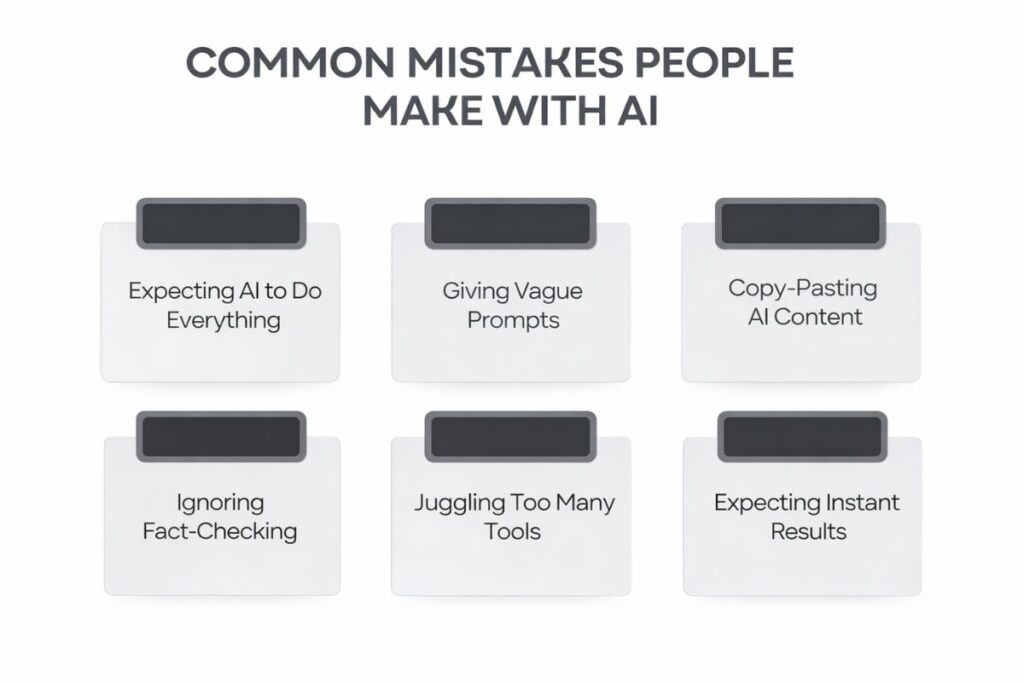
Overreliance on AI can undermine your understanding. Using AI only to get answers without engaging with the material prevents mastery. Similarly skipping foundational topics can leave gaps that make advanced problems harder to solve.
Always respect ALEKS’s sequencing as the adaptive path is designed to build skills progressively. AI should supplement, not replace the structured learning that ALEKS provides.
Conclusion
Beating ALEKS by using AI is about strategy understanding and ethical application. By integrating AI-powered tools into your study routine you can clarify difficult concepts, generate custom practice track weak areas and reinforce learning through spaced repetition.
When used responsibly AI doesn’t just help you answer questions, it transforms the way you learn, builds confidence and develops long term math and problem solving skills.
Combining ALEKS’s adaptive platform with targeted AI support allows you to study smarter, learn faster and achieve meaningful results.
FAQs
Can AI help me predict which ALEKS topics will appear next?
Yes. While ALEKS adapts in real time AI tools can analyze your past Knowledge Check patterns and Pie chart performance to highlight likely weak topic areas that may appear next. This allows you to proactively focus practice on concepts you’re most likely to encounter improving efficiency without guessing.
Which AI tools work best for visual learners in ALEKS?
Visual learners benefit from AI tools that provide diagrams, graphs and interactive step-by-step explanations. Tools like Wolfram Alpha Desmos or ChatGPT (with diagram prompts) can transform abstract algebraic or geometric concepts into clear visuals reinforcing understanding beyond text based explanations.
How often should I combine AI practice with ALEKS assessments?
For optimal results integrate AI support after every 1–2 ALEKS Knowledge Checks. This allows you to review mistakes immediately, generate customized practice for weak slices and reinforce learning before moving on to new topics. Consistent short sessions are more effective than long infrequent study marathons.
Can AI help with time management during ALEKS study sessions?
Absolutely. AI powered scheduling and focus tools can create structured study blocks, track session duration and remind you to take strategic breaks. By aligning these blocks with specific Pie slices or weak topics you maximize focus, reduce fatigue and ensure balanced coverage of all skills.
Will using AI violate ALEKS rules or academic integrity?
No as long as AI is used ethically. AI should serve as a tutor guide or practice generator—not as a direct answer source. Always attempt problems independently first and use AI only to clarify reasoning, explain steps or simulate practice questions. This preserves integrity while enhancing learning and confidence.