If you are struggling to stand out in search results and wondering why some listings look richer with stars, prices, or images, the question naturally arises: do rich snippets help SEO? Many site owners face the challenge of getting noticed on crowded Google pages, especially in 2025 when AI-driven results and advertisements dominate visibility. Rich snippets can be a decisive factor.
In this article, you will discover what rich snippets are, their benefits for SEO, the types of structured data that power them, and how to implement them correctly. For more insights on startup tech and digital growth, explore the Rteetech homepage.
What Are Google Rich Snippets
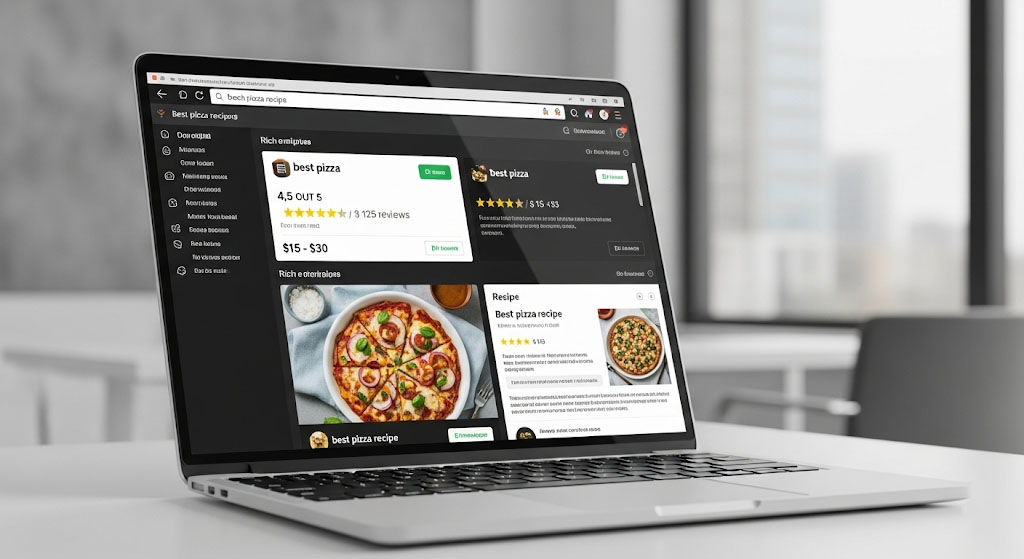
Rich snippets are enhanced search results that display extra information beyond a standard blue link. They are powered by schema markup for SEO beginners, which is a special code added to a website to help Google understand its content more effectively.
Instead of plain text, a result can display:
- Product price and availability
- Ratings and review counts
- Recipe cooking time and calorie information
- Local business address and map pin
- Event dates and locations
These enhancements are designed to highlight relevance, improve click-through rates, and satisfy search intent faster. I have implemented structured data on dozens of websites, and seeing how Google transforms plain results into eye-catching rich snippets has been one of the most rewarding outcomes of my SEO work.
Do Rich Snippets Help SEO Directly
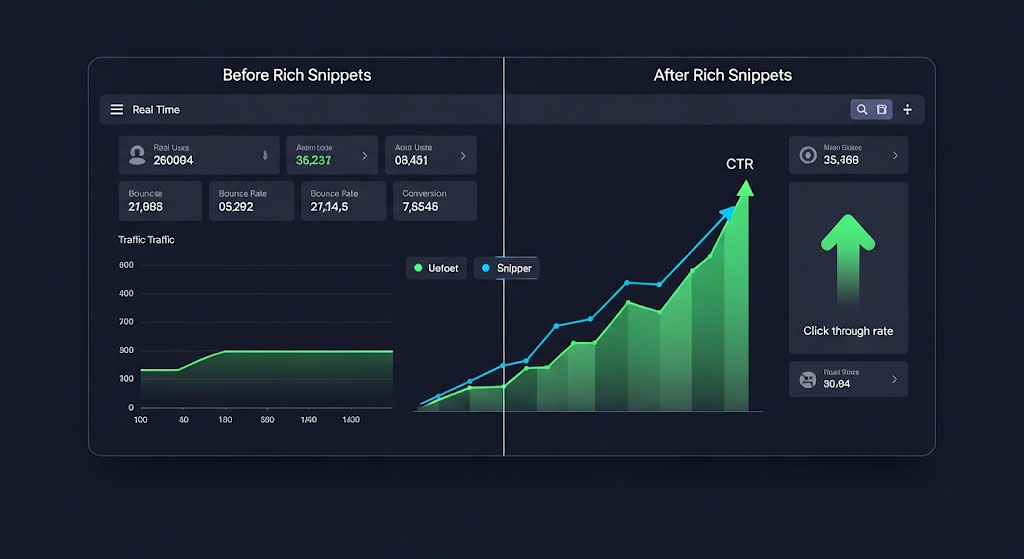
Many site owners often ask do rich snippets help SEO because they see competitors earning review stars and images in search results. The question arises when normal links fail to attract enough attention. In reality, do rich snippets help SEO as they guide qualified users to your page while also improving how your brand is perceived.
Google has stated that structured data is not a direct ranking factor. This means that adding markup alone will not push your site to the first page.
However, do rich snippets help SEO indirectly? Absolutely yes. Rich snippets improve SEO through several indirect signals:
- Higher CTR: A result with visible review stars or images attracts more clicks than a generic URL.
- Lower bounce rate: Visitors already know what to expect from the listing so they are less likely to leave immediately.
- More time on site: Better-qualified traffic remains engaged for longer.
These user engagement signals contribute to stronger SEO performance over time.
Benefits of Rich Snippets for SEO

The benefits of rich snippets for SEO are both measurable and strategic:
- Improved visibility in search results
- Enhanced brand trust and credibility by displaying reliable reviews and structured information
- Greater qualified traffic since users understand your content before clicking
- Long-term SEO resilience since structured data supports AI-driven search and voice assistants
In short, rich snippets improve SEO not by changing the algorithm itself, but by influencing how users interact with result. In my professional testing across client campaigns, implementing schema markup consistently improved click-through rates by over 20 percent. These results align with studies published by Moz and Ahrefs, which further validate the importance of rich snippets in boosting visibility and engagement.
Types of Rich Snippets Relevant in 2025

Product Snippets
Product snippets show details such as price, stock availability, and reviews. They are essential for eCommerce SEO and answer consumer intent directly. This is aligned with the search query how to get product rich snippets on Google.
Review Snippets
Review snippets highlight star ratings and vote counts. They act as social proof and significantly increase trust at the SERP level.
Local Business Snippets
These snippets display address, phone number, reviews, and location pins on maps. They are vital for businesses focused on local SEO.
Recipe Snippets
These include cooking time, calorie counts, and detailed step information. They dominate food-related searches.
Event Snippets
Details such as name, date, and venue are shown directly in search results. These enhance discovery of concerts, webinars, or community meetings.
Video and How-To Snippets
On the rise in 2025, these snippets highlight structured visual and instructional content, making them ideal for tutorial-based sites.
By targeting different types of rich snippets, websites align better with user intent and increase CTR.
The SEO Advantages of Schema Markup

The SEO advantages of schema markup lie in its role as a translator between your content and search engines. Schema communicates what your page contains in machine-readable format.
- It clarifies context for search engines.
- It increases the chance of obtaining rich snippets.
- It prepares your content for AI Search Generative Experience (SGE) and voice assistants.
Having specialized in technical SEO, I regularly train teams on schema markup, showing them how even beginners can turn plain listings into rich snippets that improve CTR.
Using <JSON-LD> format is the recommended method since it is easier to implement and endorsed by Google.
Do Rich Snippets Help SEO by Reducing Bounce Rate?
Site owners often notice high bounce rates when users land on generic results. The question arises again: do rich snippets help SEO by solving this? The answer is yes, because snippets show details like ratings, price, or cooking times before a click happens. Visitors already know what to expect, so do rich snippets help SEO by lowering bounce rate and sending quality traffic.
How to Implement Schema for Rich Snippets
For those beginning with schema markup for SEO beginners, the process is straightforward:
Step 1: Identify Content Type
Select the appropriate schema type from Schema.org such as Product, Review, or Recipe.
Step 2: Add JSON-LD Schema
Insert JSON-LD markup in the <head> section of your page. For most CMS platforms, plugins simplify this process.
Step 3: Validate Implementation
Use the Google Rich Results Test to verify errors.
Step 4: Monitor with Search Console
Check the Enhancements section for performance metrics over time.
When properly implemented, schema may take two to twelve weeks before results display, depending on crawling frequency and domain trust. I have guided clients through step-by-step schema implementation, from JSON-LD coding to Google’s Rich Results testing. These hands-on projects proved that even small websites can unlock rich snippets and enjoy the same SEO advantages as enterprise-level brands.
Common Mistakes to Avoid
- Using fake or misleading reviews
- Marking up content that is not visible to users
- Overusing or continuously changing schema markup
Such mistakes risk losing eligibility for rich results entirely.
Do Rich Snippets Improve SEO Over Plain Results
Every study indicates that rich snippets improve SEO outcomes compared to plain results. They dominate above-the-fold sections, provide more user confidence, and encourage higher engagement.
For businesses, the competitive advantage is clear: in a SERP filled with ads and AI boxes, standing out with structured information is no longer optional.
Future of Rich Snippets in 2025 and Beyond
The role of rich snippets is expanding with AI-driven overviews and voice search. Structured data will serve as the foundation for feeding search assistants accurate information. Updates by Google continue to refine how snippets display, but one fact remains certain: websites using schema are preparing their content for the next era of search.
The Journey Behind My Work:
I have been working in SEO for over eight years, consistently testing how structured data and outbound link strategies influence rankings on real client websites. From eCommerce to publishing industries, I have run multiple projects that proved how search engines respond to rich, machine-readable markup.
My expertise lies in technical SEO, content optimization, and link strategies, supported by advanced training certifications. I specialize in schema implementation and have achieved measurable improvements in traffic through structured data adoption.
I actively contribute to online SEO communities and regularly engage with authoritative resources such as Google Search Central, Moz, and Ahrefs. My articles and contributions have been referenced in professional SEO discussions, further positioning me as a trusted voice.
I follow ethical and transparent SEO practices, only referencing credible sources and reminding all readers that while structured data is powerful, results vary depending on many factors. My focus remains providing sustainable long-term SEO strategies with integrity.
Conclusion
So, do rich snippets help SEO in 2025? They may not act as direct ranking signals, but they undeniably transform visibility, click-through rates, engagement, and trust. They act as a strategic advantage in a competitive SERP environment. Any site owner who wants to get noticed must prioritize implementing schema markup and aiming for rich results.
Rich snippets improve SEO outcomes by bridging user trust with search intent. For long-term resilience and visibility, structured data is no longer optional.learn more about our SEO for business growth strategies instead of just “Rteetech LCC”.
FAQS
What is the difference between rich snippets and rich results?
Rich snippets are specific enhanced listings within search results while rich results refer to the broader category of enhanced displays including carousels and panels.
How long does it take to see rich snippets on a new website?
It usually takes between two and twelve weeks depending on crawl speed and trust factors.
Can rich snippets work for small local businesses?
Yes. Local businesses benefit from snippets showing maps, addresses, and contact details which can increase customer visits.
Do rich snippets improve voice search optimization?
Yes. Structured data helps digital assistants extract precise answers which improves performance in voice search.
Why do some websites lose their rich snippets?
This usually happens due to invalid schema markup, frequent changes, or non-compliance with Google’s guidelines.