How do businesses convert casual online visitors into loyal customers? The answer lies in the digital marketing strategy that tracks users across the web. In an increasingly competitive marketplace, relying on guesswork no longer works. Brands need to understand how users navigate online, which devices they use, what problems they search for, and why they hesitate to make decisions.
This approach, known broadly as retargeting and cross-web tracking, represents the foundation for modern personalized marketing. It transforms digital footprints into meaningful insights, ensuring that businesses meet potential customers at the right moment with the right offer.
In this article, we will explore why tracking matters, how to build a strategy around it, the tools required, ethical considerations, and the future of this important digital practice.For more insights on startup tech and digital growth, explore the Rteetech homepage.
Why Tracking Users Across the Web Matters

Tracking users across the web is about visibility and precision. Instead of relying solely on demographics, marketers can access behavioral data that explains how people act online. This enables businesses to:
- Identify the real motivators behind customer actions
- Discover why prospects abandon purchases
- Connect multiple touchpoints into one customer journey
- Run more affordable campaigns with higher results
When a business understands patterns of interaction, it adjusts campaigns with accuracy rather than random testing. Without tracking, advertising spend often gets wasted. With tracking, each impression becomes an investment in conversion.
Building Buyer Personas With Data

Successful implementation of the digital marketing strategy that tracks users across the web begins with constructing authentic buyer personas. A persona is not creative writing, it is systematic data collection applied in human form.
Collecting Persona Data
- Customer surveys: Ask questions about challenges, goals, and buying behavior.
- Polls on social media: Identify interest patterns and feedback trends.
- CRM analysis: Study transaction history and campaign interactions.
- Competitor review mining: Analyze testimonials and complaints of alternative products.
Benefits of Personas
With detailed personas, marketing teams avoid wasting time on mismatched audiences. Campaigns become more personal, leading to higher trust. Buyer personas also fuel smarter use of tools like affordable remarketing software for startups by connecting intent with messaging.
Optimizing a Website for Tracking Success

A tracking strategy is ineffective without a well-designed digital hub. The website serves as both the destination for tracked traffic and the foundation for analysis.
Necessary Website Elements
- Responsive design compatible with all devices
- Fast loading times for minimal bounce rates
- Simple navigation structure
- Clear call-to-action buttons
- Strong security for user safety
The goal is to ensure that retargeted visitors entering through ads or SEO campaigns do not leave quickly. A conversion-friendly website ensures that tracking translates into financial growth.
Understanding Cross-Device Tracking

Modern customers rarely follow a straight line purchase path. They begin searching on smartphones, research on laptops, and sometimes finalize a purchase on tablets. This fragmented journey can be unified only through cross-device tracking, a crucial element of the digital marketing strategy that tracks users across the web.
Tools for Cross-Device Tracking
- Google Analytics and Google Tag Manager help track detailed site activity.
- Facebook Pixel retargets visitors across Meta’s ecosystem.
- AdRoll and Criteo offer advanced retargeting across platforms.
- Tools for cross-device tracking tool comparison such as Segment and Mixpanel reveal difference in features and ease of integration.
Cross-device tracking prevents duplicated identities and maintains a consistent customer path. It ensures businesses pursue individuals, not sessions.
How Does Cross-Web Tracking Improve Conversions

Cross-web tracking connects interactions across domains, ad networks, and online platforms. Businesses in 2025 face customers who rarely interact with a single channel only, and without integration these interactions look fragmented.
Multi-Touch Visibility
Conversions improve because businesses view a full path to purchase, not isolated events. For example:
- A user clicks a Google ad but does not convert.
- The same user sees a remarketing banner the next day.
- Finally, the user receives an email triggered by behavior.
Together, this sequence explains how conversion ultimately happened.
Message Consistency
Cross-web tracking prevents repetitive advertising. By tracking multiple platforms, businesses can adjust messaging intelligently. One user may not need the same product reminder 10 times. Instead, tracking shows when to deliver a discount or an alternative suggestion.
Data-Driven Conversion Lifts
Across industries, brands using cross-web tracking report lower ad waste and improved conversion rates. For example, ecommerce companies delivering dynamic product retargeting experience 15–25 percent higher sales conversion compared to basic demographic targeting.
This explains why platforms offering cross-device tracking tool comparison features are increasingly valuable. They allow businesses to identify which program produces higher conversion lifts.
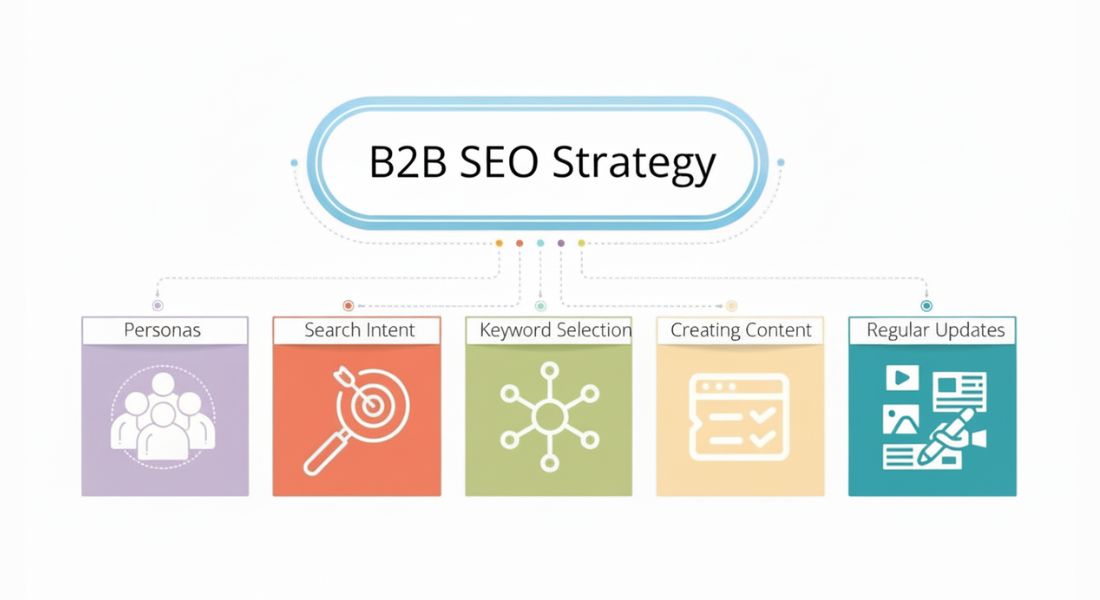
Role of SEO and Intent in Web Tracking

Search engines remain primary entry points for customers. However, ranking alone is not enough. True power lies in targeting search intent with precision.
Search Intent Categories
- Informational: Questions like “What is the best digital marketing strategy for ecommerce?”
- Navigational: Queries involving specific brands or solutions.
- Transactional: High purchase intent, such as “purchase cross-device tracking software.”
By aligning tracking insights with intent-driven SEO, businesses increase relevance. They position themselves in front of motivated audiences rather than passive readers. Coupled with affordable remarketing software for startups, SEO insights feed directly into lasting visibility and conversions.
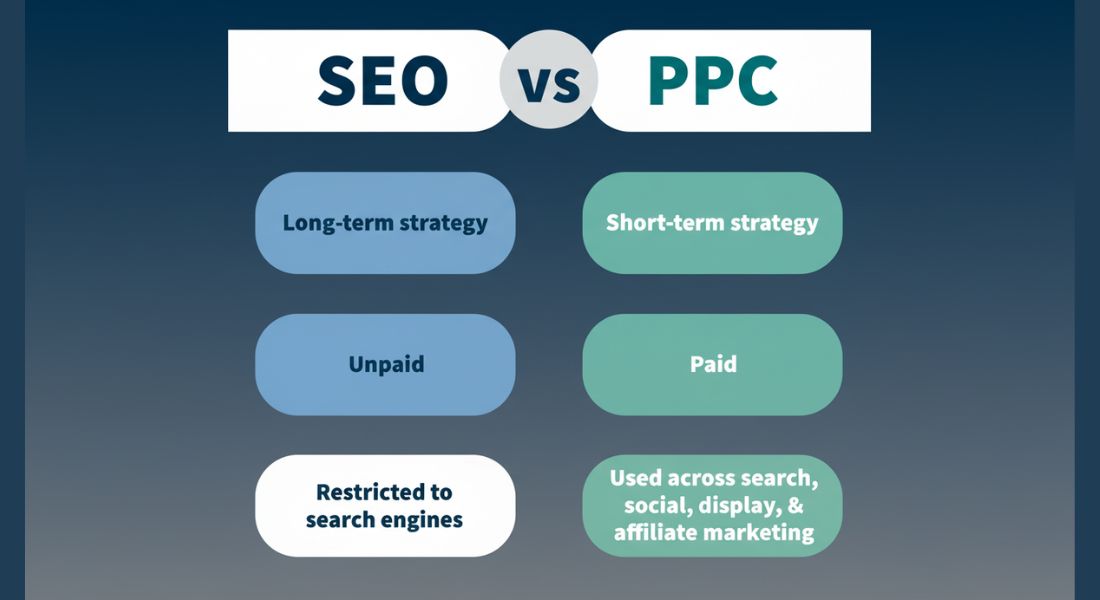
Paid Advertising and Retargeting Campaigns

Tracking powers retargeting campaigns that follow visitors across the web. Instead of brand messages disappearing after one session, remarketing allows ads to reappear until a decision is made.
Advantages of Paid Retargeting
- Reintroduces products already considered
- Focuses spending on visitors with proven interest
- Boosts conversions through multiple reminders
- Facilitates personalized advertisements in line with intent
Investing wisely in retargeting delivers exceptional value, especially when combined with SEO and website optimization. Tools also provide in-depth cross-device tracking tool comparison features to optimize spending.
Best Retargeting Tools for Small Businesses 2025
The digital marketing landscape evolves quickly. For small businesses in 2025, selecting the right retargeting tools is essential for efficient growth. Rather than investing in complex enterprise solutions, small businesses need platforms that combine affordability, integration, and usability.
Criteria for Selecting Tools
- Ease of Setup: Tools should install with a simple pixel or plugin.
- Cost Efficiency: Budgets remain limited, so solutions must provide high return with flexible pricing.
- Cross-Platform Reach: Ability to distribute campaigns across multiple ad networks.
- Analytics: Clear reporting dashboards for non-technical staff.
Leading Tools Recommended for 2025
- AdRoll Starter Plans: Offers user-friendly dashboards with customizable remarketing campaigns for ecommerce and service websites.
- Criteo for SMEs: Extends beyond display advertising to dynamic product targeting.
- Google Ads Smart Retargeting: Provides machine learning automation for cross-platform ads with budget controls.
- Meta Business Suite (Facebook and Instagram): Enables small businesses to create retargeting segments without hiring agencies.
- Mailchimp Retargeting Add-ons: Well-suited for brands already invested in email marketing who require integrated messaging.
For startups, affordable remarketing software for startups such as AdRoll’s business tier or Mailchimp’s add-ons remain strong entry points. These programs in 2025 combine simplicity of management with highly segmented targeting capabilities.
Personalized Experiences Using Tracking Insights
When businesses implement the digital marketing strategy that tracks users across the web, they do more than monitor behavior. They deliver value in highly personalized ways.
Examples include:
- Recommending products that match previous browsing
- Offering discounts to abandon-cart users through automated emails
- Presenting localized offers and shipping options
- Delivering dynamic website content adjusted by past actions
Personalization converts potential frustration into delight, proving that tracking is not about pressure but about serving intention.
Ethical and Transparent Tracking Practices
While technical capabilities expand, trust remains the foundation of customer relationships. Brands that practice radical transparency position themselves as market leaders.
Key ethical methods include:
- Cookie consent pop-ups with clear explanations
- Full compliance with GDPR, CCPA, and other regulations
- Explaining how data use improves customer experience
- Offering opt-outs without penalties
Trust ensures long-term loyalty. Without ethics, even the most advanced digital marketing strategy that tracks users across the web collapses into suspicion.
The Future of Tracking in Digital Marketing
The digital landscape is evolving rapidly. Third-party cookies are being phased out. Artificial intelligence-driven personalization is advancing. Contextual targeting is making a resurgence.
Forward-looking marketers will:
- Prioritize collection of first-party data such as emails and loyalty participation
- Adopt hybrid contextual plus behavioral advertising
- Experiment with AI analytics predicting needs before users recognize them
- Continue engaging with affordable remarketing software for startups aligned with market changes
Preparation today ensures resilience tomorrow. The brands that adapt remain visible, relevant, and trusted.
The Journey Behind My Work:
I have been working in SEO and digital marketing for more than 7 years. During this period I personally tested user tracking, outbound link strategies, and retargeting campaigns across various industries. My projects taught me how small differences in tracking setup deeply change conversion rates.
I specialize in technical SEO, content optimization, and advanced link-building strategies. I also hold certifications in Google Analytics and HubSpot Content Marketing which allow me to analyze deeply and implement sophisticated tracking systems effectively.
I actively contribute to professional SEO communities and forums, sharing case studies and best practices. My insights have been referenced in discussions around Google Search Central and I continue to engage with tools like Moz and Ahrefs to advance my learning. These efforts position me as a recognized voice in SEO practice.
I base all my recommendations on ethical principles of transparency and responsibility. I only cite established industry resources such as Google Search Central, Moz, and Ahrefs. It is important to note that SEO results always vary across contexts and industries, therefore my guidance emphasizes sustainability and long-term credibility.
Conclusion
The digital marketing strategy that tracks users across the web is no longer optional. It is the engine of precision marketing. By creating data-driven buyer personas, building optimized websites, practicing cross-device tracking, investing in SEO and paid campaigns, offering personalization, and maintaining ethical transparency, businesses secure growth in 2024 and beyond.
Tracking is not about following users in a disturbing way. It is about respecting their preferences, aligning with their journey, and offering assistance when needed. Brands that master this balance will continue to stand out in crowded markets.learn more about our SEO for business growth strategies instead of just “Rteetech LCC”
FAQs:
What is the difference between retargeting and web tracking in marketing?
Retargeting uses web tracking data to show ads to potential customers who already engaged with your brand.
How does cross-device tracking benefit ecommerce businesses?
It ensures that a single shopper using multiple devices is recognized as one user, creating a unified purchase path.
Can I run tracking strategies without cookies?
Yes. Modern tools use first-party data, contextual ads, and AI-driven approaches to replace traditional cookies.
What are the disadvantages of aggressive retargeting?
When overused, it feels invasive and can reduce brand trust rather than increase conversions.
Which industries benefit most from retargeting?
Ecommerce, SaaS, online education, travel, and real estate benefit strongly from continuous visibility through retargeting.
Is affordable remarketing software for startups effective?
Yes, when paired with strong buyer personas and intent-based campaigns, it offers excellent return on investment for startups.
Why do some remarketing campaigns fail?
Campaigns fail when they target the wrong audience, use irrelevant messaging, or deliver ads at excessive frequency.
What future technologies will influence user tracking?
Artificial intelligence, machine learning, and the decline of third-party cookies are the biggest factors shaping data tracking.