B2B SEO in 2026 is about more than traffic; it’s about connecting with the right decision makers at the right moment. With longer buying cycles niche audiences and AI-powered search results shaping discovery businesses need strategies that truly convert.
In this guide we explore how to target high-intent keywords, craft content that resonates and leverage AI insights to generate qualified leads and grow revenue.
Understanding B2B SEO in 2026
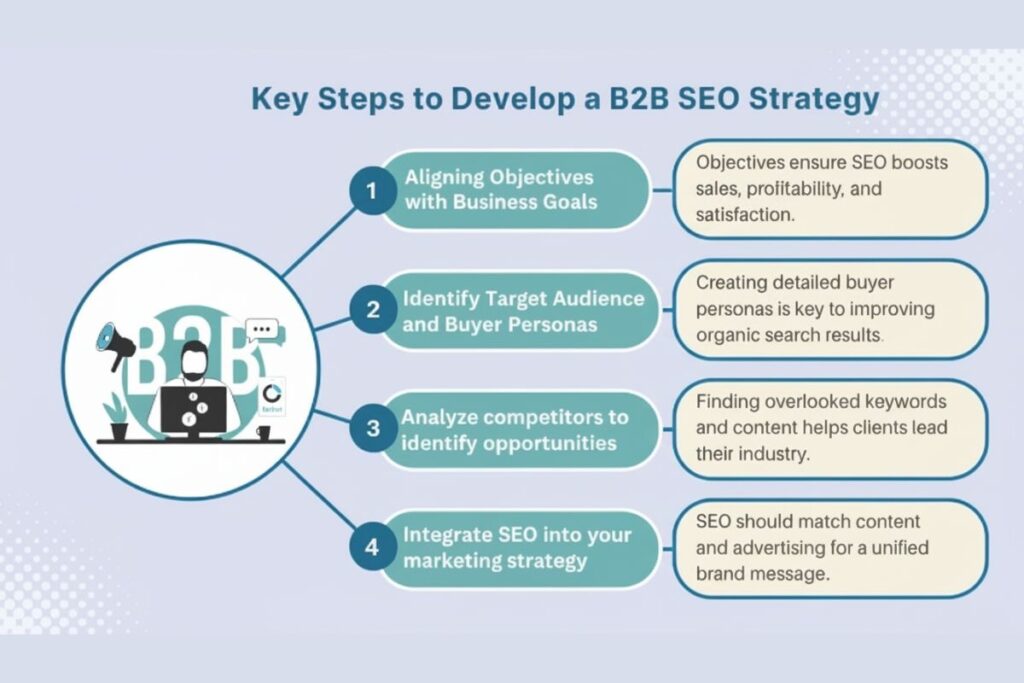
In 2026 B2B SEO is no longer just about ranking for generic keywords. The landscape has shifted to a sophisticated ecosystem where AI-driven search engines‘ decision-maker intent and highly specialized content define success.
Unlike B2C, B2B SEO focuses on targeting the professionals and executives who make purchasing decisions rather than appealing to broad audiences. This means your approach must prioritize authority relevance and precision while integrating advanced strategies like AI-assisted keyword analysis and content mapping.
B2B companies now face a dual challenge: ranking organically in traditional search engines and appearing prominently in AI-generated search results. Platforms like Google’s AI Overview ChatGPT-powered search and Perplexity are shaping how buyers discover solutions making B2B SEO visibility a cornerstone of lead generation.
B2B SEO isn’t about flashy topics with high traffic, it’s about attracting the right people at the right stage in their buying journey. Showing up with purpose for decision-ready queries is far more impactful than chasing volume alone.
Crafting the Perfect Decision-Maker Persona
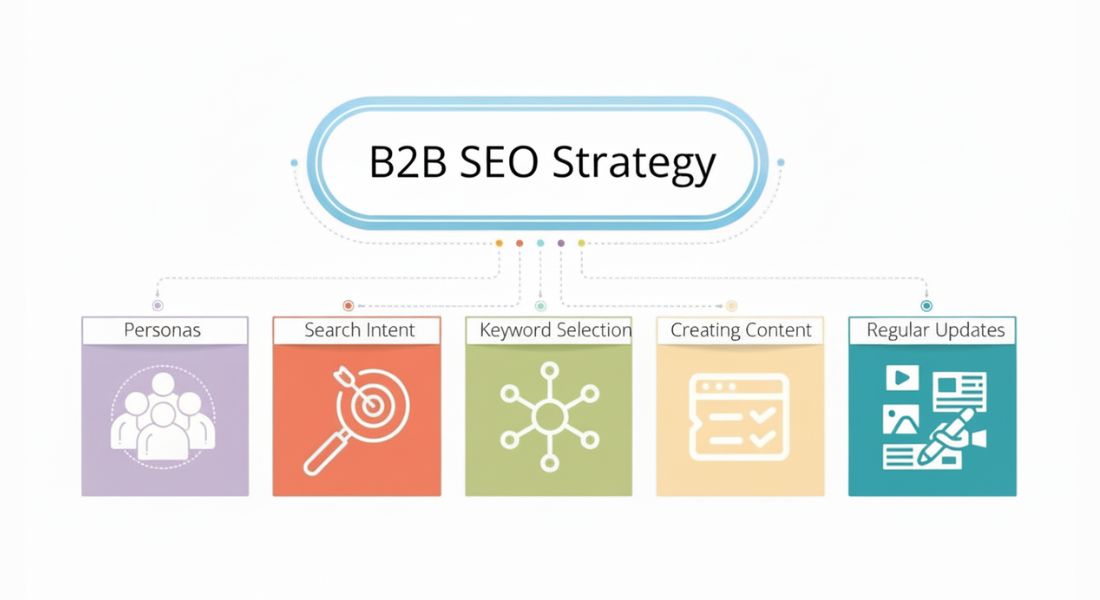
The foundation of any successful B2B SEO strategy is understanding exactly who you are targeting. Unlike B2C your audience isn’t a mass market; it’s highly specific professionals such as CFOs, marketing directors, operations managers or product buyers. Creating a detailed decision-maker persona is essential.
Begin by mapping their responsibilities, pain points and the language they use to search for solutions online. Tools like HubSpot’s Persona Generator or proprietary market research can help uncover these insights.
Once you know your audience you can align your keyword strategy and content planning with their unique journey ensuring that every page blog or resource answers the exact questions they are asking.
Incorporate the Ideal Customer Profile (ICP) framework and map their journey across four stages: Awareness Interest Consideration and Decision. Each stage has its own keyword opportunities and content requirements ensuring your SEO targets buyers at the right moment.
Keyword Strategy for B2B SEO
Keyword research for B2B is nuanced. While B2C may chase high-volume generic terms B2B focuses on long-tail keywords with high commercial intent. In 2026 the most valuable B2B keywords are those your decision makers are searching for at the bottom of the funnel indicating readiness to purchase.
Top-of-funnel topics still matter, they drive traffic, establish authority and nurture leads over time but bottom-of-funnel keywords convert. Using tools like SEMrush Ahrefs and AI-assisted keyword generators you can identify terms with strong CPC and relevance even if search volumes are modest.
Mapping these keywords to personas ensures that every page serves a strategic role in guiding a business lead toward conversion.
Pay attention to navigational and commercial-intent keywords such as “best B2B CRM for startups” or “[product] vs [competitor].” These indicate a high likelihood to convert and should be prioritized in your content planning.
On-Page and Technical SEO for B2B Websites
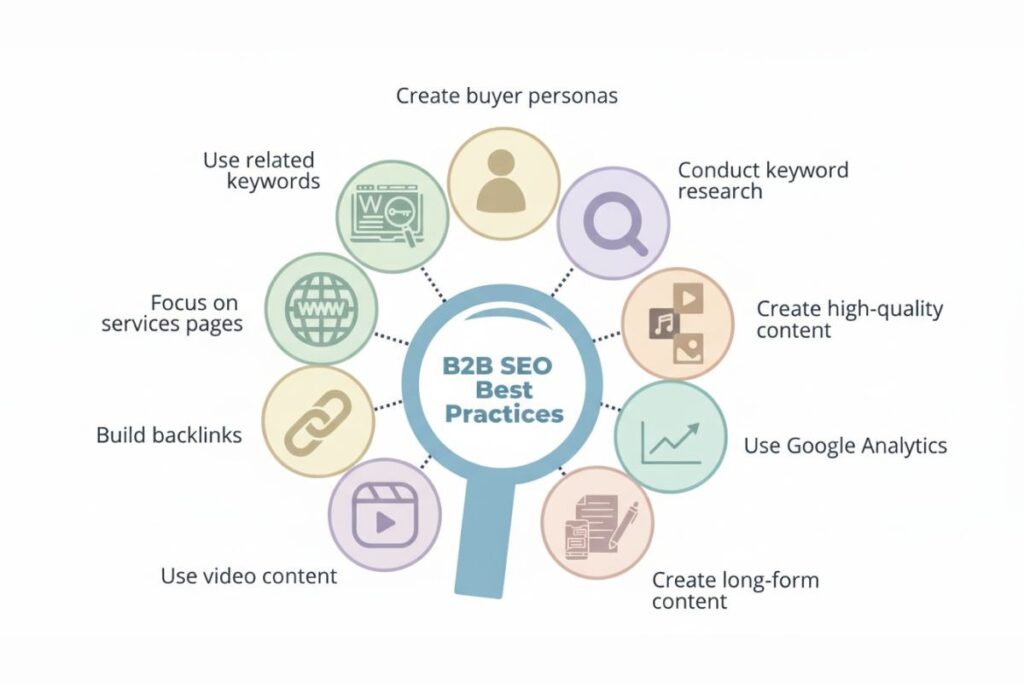
Optimizing your website technically and structurally is critical. In 2026 B2B websites must deliver fast-loading pages responsive designs and crawlable site structures. Schema markup for products, services and corporate information has become more important than ever for both Google and AI search visibility.
Content optimization involves crafting unique long-form pages for each product or service ensuring keywords are naturally integrated into headings titles meta descriptions and URLs. Duplicate content is a major pitfall in B2B particularly for companies with multiple locations or product pages.
Proper on-page SEO paired with technical excellence ensures that your content is discoverable, readable and authoritative. Consider site-wide SEO not just blog optimization. Product pages, demo forms, case studies and webinar titles are all opportunities to capture search traffic at different stages of the buyer journey.
Content Marketing That Converts
In B2B SEO content is more than a ranking tool, it’s a lead-generation engine. High-quality blogs, ultimate guides whitepapers and case studies establish thought leadership and build trust with decision-makers.
Rather than focusing solely on your products, create content around shoulder topics that educate, inspire or solve problems in your industry. For example if your business provides logistics software a guide on “Reducing Supply Chain Inefficiencies” will attract the right audience and demonstrate expertise.
Long-form actionable content not only improves rankings but also encourages backlinks from industry publications partners and niche blogs strengthening your domain authority.
Match content format with search intent. Informational keywords benefit from blogs and guide comparison queries from listicles or charts and transactional queries from case studies or demo pages. This alignment ensures content is actionable and effective.
Building Authority Through Backlinks and Partnerships
B2B SEO in 2026 heavily emphasizes authority signals. Backlinks from reputable industry websites, partner pages and relevant publications signal to search engines and AI systems that your company is trustworthy and knowledgeable.
Digital PR surveys interactive tools and calculators are highly effective for acquiring natural backlinks. Partner pages can also provide high-value links particularly if you work with distributors suppliers or industry networks.
The key is creating assets that others in your niche find valuable enough to reference, enhancing both your SEO and your reputation. Think beyond traditional backlinks, multiple SERP formats (blogs, videos comparison pages) increase visibility and reinforce brand trust.
Conversion Optimization and User Experience
B2B SEO isn’t complete without aligning content and design for conversions. Landing pages must be clear, professional and tailored to the needs of decision makers. Calls-to-action should guide visitors toward demos consultations or downloads without being aggressive.
In 2026 user experience is directly tied to rankings. Pages that load quickly, present information clearly and deliver relevant resources will outperform slow or confusing sites.
Integrating AI chat tools or dynamic content personalized to the visitor can also increase engagement and move leads further down the sales funnel.
Measuring Success in B2B SEO
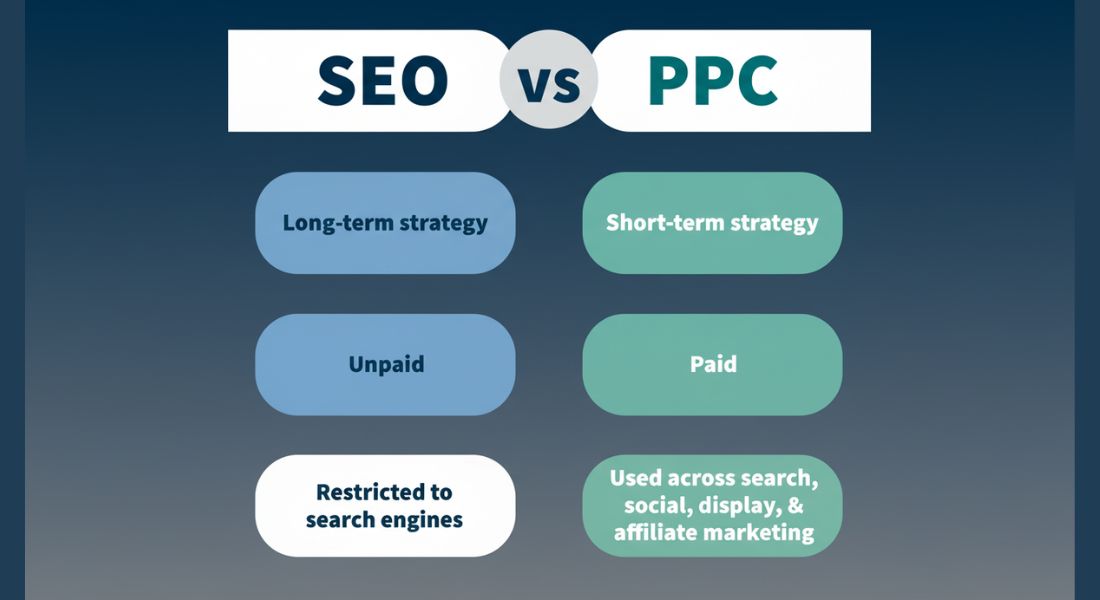
B2B SEO is a long-term strategy and success should be measured beyond rankings. Track organic traffic lead conversions, sales pipeline growth and content engagement. Monthly reporting dashboard tracking and KPI-focused analysis ensure that SEO efforts are delivering tangible ROI.
AI tools now allow predictive insights showing which content or keywords are likely to convert based on historical trends. This level of measurement and refinement ensures your B2B SEO strategy remains agile and impactful.
Include feedback loops with the sales team to track which leads and content pieces actually influenced conversions. This closes the gap between SEO activity and real business outcomes.
The Role of AI in Modern B2B SEO
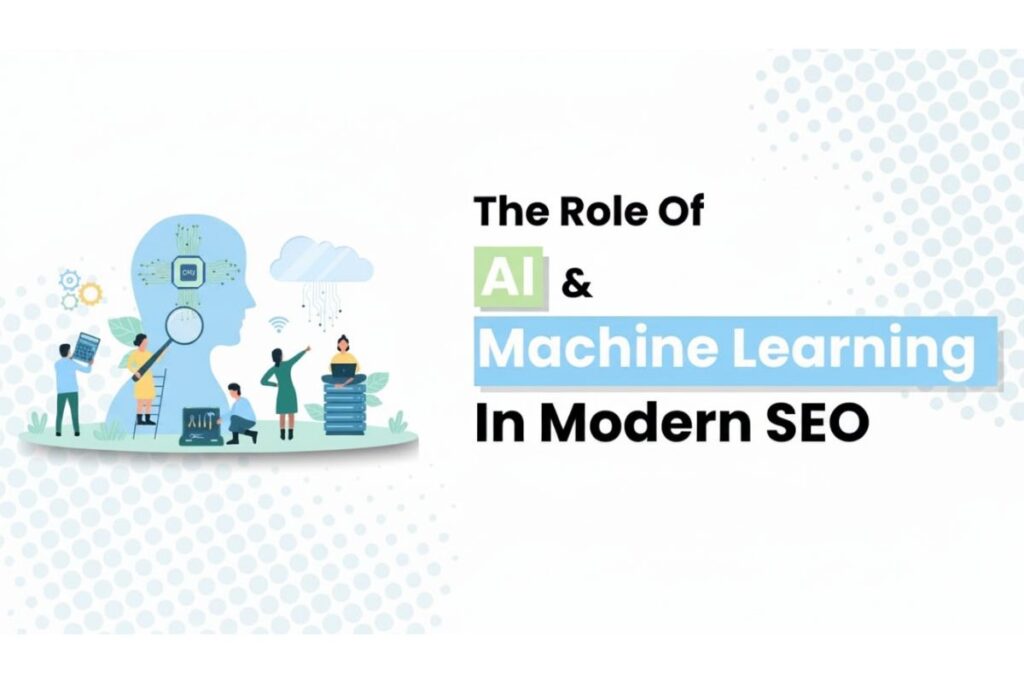
AI in SEO isn’t just about automating content or keyword suggestions. It’s about understanding intent, generating strategic insights and optimizing your entire funnel. In 2026 AI can identify emerging industry topics, predict valuable keywords and suggest content improvements.
However, human expertise is still essential. AI can provide suggestions but only skilled marketers can align those insights with business goals, craft authoritative content and design an engaging user experience that converts search traffic into qualified leads.
Conclusion
Your B2B website can no longer rely on outdated SEO tactics. By combining strategic keyword targeting authoritative content technical excellence and AI-driven insights you can dominate search results, attract decision-makers and grow revenue.
Start your B2B SEO transformation today. Schedule a consultation to see how a tailored SEO strategy can boost organic leads, increase conversions and position your company as a leader in your industry. Your competitors are optimizing, don’t let them leave you behind.
FAQs
How is B2B SEO different from B2C SEO in practice?
B2B SEO targets decision makers within businesses not general consumers. It emphasizes high intent, long tail keywords and content that guides professionals through a structured buying journey unlike B2C which often focuses on broad search volumes and social engagement.
Can AIreplace human expertise in B2B SEO?
AI tools enhance efficiency, suggest keywords and identify content gaps but human oversight is essential. Only expert marketers can craft persuasive content, understand buyer intent and optimize for conversions across complex B2B funnels.
What content types are most effective for B2B SEO?
Ultimate guides, detailed blogs, case studies, whitepapers and interactive tools perform best. They establish authority, attract backlinks and nurture leads through the funnel by addressing industry challenges rather than just promoting products.
How do you measure ROI for B2B SEO?
ROI should be assessed through lead quality conversion rates, sales pipeline growth and organic traffic improvements. Tracking metrics like keyword rankings, content engagement and goal completions ensures a clear connection between SEO efforts and business outcomes.