Conducting an E-commerce SEO audit is no longer optional it’s essential for any online store aiming to grow sustainably. With search engines evolving every day, minor technical flaws, duplicate content, or slow loading pages can silently cost you traffic and sales.
This guide walks you through every step of a thorough E-commerce SEO audit, including site structure, content, technical performance, and conversion-focused strategies.
What is an E-commerce SEO Audit and Why Does Your Store Need One?
Before diving into complex tools, it’s important to understand why an E-commerce SEO audit matters. An E-commerce website audit is a systematic evaluation of your online store to identify technical issues, content gaps, and optimization opportunities that affect visibility, traffic, and conversions.
Unlike a website audit, E-commerce audits focus on product pages, categories, checkout flows, and structured data.
Key reasons to conduct one:
- Detect hidden technical issues like broken links, redirect chains, or crawl errors.
- Identify underperforming keywords and pages with low conversion rates.
- Ensure your site structure, internal linking, and navigation enhance user experience.
- Strengthen off-page SEO like backlinks and social signals.
In short, an E-commerce SEO site audit is your roadmap to higher rankings, better user experience, and increased revenue.
How Do You Conduct a Keyword Audit for E-commerce Stores?
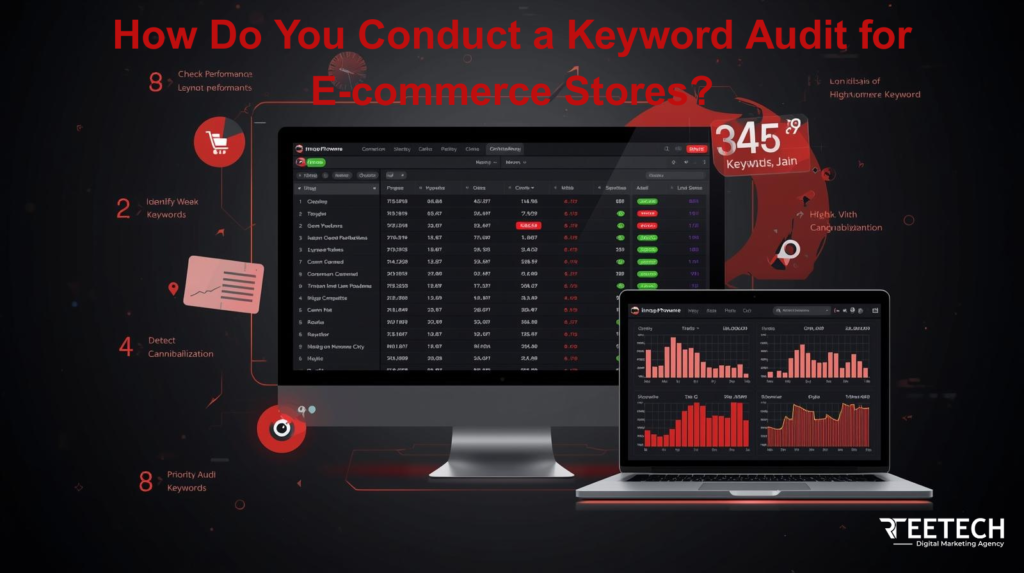
A keyword audit identifies which terms drive traffic and conversions, spots cannibalization, and prioritizes high value keywords. This ensures product pages are optimized for searches that truly generate sales.
Steps to analyze keywords:
- Use tools like Google Search Console or Ahrefs Site Explorer to check page level keyword performance.
- Identify keywords with low traffic or low conversions these might need optimization or replacement.
- Detect keyword cannibalization: two pages competing for the same keyword can dilute rankings.
- Prioritize high conversion keywords, even if search volume is lower, to maximize ROI.
For example, if your product page SEO audit reveals that wireless headphones ranks well for traffic but generates no sales, it’s better to optimize for a more targeted, conversion friendly keyword like wireless headphones for runners.
What Are the Critical On-Page SEO Elements for E-commerce?
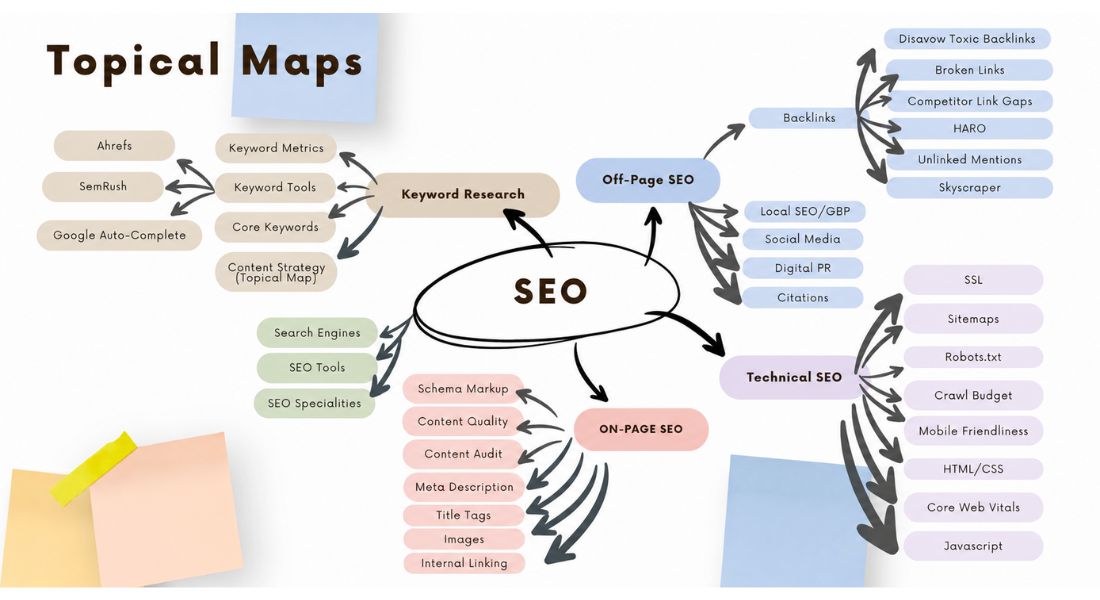
On-page SEO focuses on elements visible to search engines and users, such as meta tags, headings, images, internal links, and schema. Optimizing these improves rankings, user engagement, and click through rates.
HTML Tags
- Title Tag: Keep it concise (<60 characters), include target keywords naturally.
- Meta Description: Highlight value proposition, relevant secondary keywords.
- Headings (H1-H6): Structure pages logically, use long tail keywords in H2s/H3s.
Images
- Alt text should describe the product, using primary or secondary keywords naturally.
- Use modern formats like WebP for faster loading.
Internal Linking
- Guide users to related products, categories, and blogs.
- Prevent orphan pages by ensuring every page is linked at least once.
Schema Markup
- Use structured data for products, reviews, FAQs, discounts.
- Rich results increase CTR by making pages stand out in SERPs.
Tip: Even top competitors often skip detailed product schema this is a quick win for visibility.
How to Perform a Technical SEO Audit for E-commerce Sites?

A technical SEO audit checks crawlability, indexing, site speed, mobile responsiveness, and structured data. Fixing these issues ensures search engines can efficiently discover and rank your products.
- Robots.txt & XML Sitemap: Direct crawlers efficiently; exclude irrelevant pages like checkout or login.
- Crawl Errors & Redirects: Fix broken links, eliminate redirect chains/loops.
- Site Speed & Core Web Vitals: LCP <2.5s, INP <200ms, CLS <0.1. Use tools like Google PageSpeed Insights or PhotonIQ Performance Proxy.
- Mobile Responsiveness: 70 to 80% of E-commerce growing traffic is mobile ensure seamless experience.
- Third Party Scripts: Minimize and offload unnecessary scripts to reduce page load times.
Real world insight: Many Shopify stores rank poorly because of heavy apps/plugins slowing pages not content gaps. Optimizing these fixes can boost conversions significantly.
How Can Site Structure Impact E-commerce SEO?
A clean, logical site structure improves crawlability, internal linking, and user navigation. Correct hierarchy, breadcrumbs, and shallow structures boost rankings and make product discovery easier for buyers.
- Shallow vs Deep Structure: Keep essential pages ≤3 clicks from homepage.
- Categories & Filters: Logical groupings improve UX and search visibility.
- Breadcrumbs & Navigation Menus: Help users and search engines understand hierarchy.
- Orphan Pages: Ensure all pages are linked orphan pages can get deindexed.
Example: A WooCommerce store selling electronics saw 20% traffic lift after reorganizing categories and adding breadcrumbs.
What Are the Key Off-Page SEO Factors for E-commerce?
Off-page SEO strengthens domain authority, credibility, and visibility through backlinks, social engagement, content marketing, and local SEO. A strong off-page strategy ensures your site is trusted by search engines and users.
- Backlink Audit: Identify toxic links, acquire authoritative backlinks from niche sites.
- Social Media Engagement: Active profiles increase credibility.
- Content Marketing: Blogs, guides, and FAQs enhance topical authority.
- Local SEO (if relevant): Google Business Profile, location pages for storefronts.
Competitor blind spot: Most audits focus only on backlinks, ignoring internal cross linking via blog content, which can significantly boost product page authority.
How to Use E-commerce SEO Audits to Improve Conversions?
SEO audits are not just about traffic they’re about turning visitors into buyers. By analyzing behavior, optimizing CTAs, aligning content with intent, and A/B testing changes, audits can directly increase sales and ROI.
- Analyze user behavior: Identify pages with high bounce but strong traffic.
- Optimize CTAs: Ensure product pages have clear, persuasive call-to-actions.
- Content Alignment: Make sure product descriptions match user intent.
- A/B Test SEO changes: Example: rewriting meta descriptions increased conversions by 12% for a competitor’s Shopify store.
DIY vs Professional Audits: DIY audits uncover visible issues but may miss deep technical or schema optimizations, whereas professionals can identify hidden opportunities.
E-commerce SEO Audit Checklist for 2026
A structured checklist consolidates all technical, on-page, off-page, and conversion focused tasks in one place. It helps businesses systematically fix issues, track progress, and plan continuous improvements.
- Analyze all keywords: traffic vs conversions.
- Optimize HTML tags: titles, meta, headings.
- Optimize product images & implement schema markup.
- Improve internal linking & remove orphan pages.
- Fix technical issues: broken links, redirect chains, mobile optimization.
- Audit site speed & Core Web Vitals.
- Evaluate content quality: remove thin or duplicate content.
- Strengthen backlink profile & social presence.
- Implement shallow, intuitive site structure.
- Track metrics and update audit every 6–12 months.
Conclusion
A thorough ecommerce SEO audit uncovers hidden technical issues, optimizes product pages, improves site structure, and boosts conversions.
By acting on audit insights keyword optimization, technical fixes, internal linking, and off-page authority you increase traffic and drive sales. Regular audits and prioritizing high impact fixes ensure your store stays competitive and delivers a seamless user experience.
FAQs
How often should I perform an E-commerce SEO audit?
At least once every 6 months, or after major site updates, product launches, or redesigns. Continuous improvements prevent ranking drops.
Can a DIY E-commerce SEO audit match professional audits?
DIY audits help catch obvious issues but may miss technical SEO nuances, schema markup optimization, or advanced speed improvements that professionals detect.
What is the biggest mistake in E-commerce SEO audits?
Ignoring site structure, product schema, and mobile performance. Even great content won’t convert if users can’t navigate or pages load slowly.
How does SEO impact conversions?
A well optimized site improves traffic quality, page speed, usability, and content relevance, all of which increase the likelihood of visitors making a purchase.