Introduction
Corporate gifting used to be simple. A mug here, a notebook there, maybe a box of chocolate for good measure. Today? Things look very different. Tech companies are rethinking how they show appreciation to clients, employees, and partners—and they’re doing it through data-backed, automated, and insight-driven gifting platforms.
Why the shift? Part of the answer lies in scale. According to The Business Research Company, the global corporate gifting market reached roughly US$822.56 billion in 2024, with expectations to hit US$1,209.97 billion by 2029. That’s not a slow climb—it’s a massive sign that gifting isn’t just “nice to have.” It’s becoming a strategic lever for tech-forward teams.
And that’s where smart gifting enters the picture.
This article dives into how tech companies are using automation, integrated platforms, tagging, and data signals to rethink gifting. You’ll see how these tools support HR, people teams, sales organizations, and customer success groups—and why more companies are tracking ROI on gifts the same way they measure pipeline or retention.
Let’s explore.
The Shift Toward Smart Gifting Platforms
From guesswork to insight-driven gifting
Historically, gifting involved a spreadsheet, a vendor, and a hope that people liked what they got. Not anymore. Tech gifting platforms now act as intelligent hubs connecting data, workflows, and fulfillment.
A big reason behind this shift? Growth. Multiple research firms point to rapid expansion across categories:
- ResearchAndMarkets, via BusinessWire, noted that the corporate gifting market was valued at US$765.46 billion in 2023, on pace to reach US$1.11 trillion by 2028.
- That same source projects a jump to US$1.65 trillion by 2033, showing steady momentum.
- A separate estimate from Sendoso places the industry at around US$242 billion, depending on how categories are defined.
Regardless of the exact number, one thing is obvious: gifting is big. And getting bigger.
What makes a gifting platform “smart”?
Smart gifting tools don’t simply ship boxes. They:
- Pull in CRM or HRIS data to personalize gifts.
- Automate campaigns based on triggers—new customers, birthdays, anniversaries, renewals.
- Use tagging to categorize recipients by preferences, locations, behaviors, or roles.
- Sync with workflows across marketing automation and internal employee experience systems.
These tools reduce the heavy lifting, but more importantly, they let tech teams gift based on insights instead of guesses.
Why tech companies are paying attention
Tech companies love data. Love automation. Love efficiency. But they also know employees and customers expect thoughtful gestures, not generic gestures.
That tension leads to one conclusion: tech-enabled gifting fills a gap that traditional methods can’t. It blends personal connection with smart execution.
The Power of Personalization in Corporate Gifting
Personalization isn’t just a theme—it’s becoming the expectation.
According to a Vistaprint survey on corporate gifts:
- 62% say recognition boosts motivation.
- 54% say it encourages them to stay with their employer.
- 49% would recommend their employer if they felt recognized.
- 51% value high-quality gifts.
- 41% prefer practical items they can use every day.
Those stats point to something simple: thoughtful gifting matters.
What personalization looks like on smart platforms
- Recommending items based on previous interactions.
- Sending premium gifts for key events like promotions or milestone deals.
- Customizing swag—sometimes even offering t-shirt design options for branded apparel.
- Delivering gifts aligned with employee preferences.
Even handwritten notes make a difference—50% of survey respondents said they make gifts more memorable.
Internal vs. external gifting
According to Ridgegap, internal gifting accounts for 55–60% of all corporate gifting, while client and customer gifting makes up 35–40%.
Why so much internal investment? Because employee engagement, retention, and satisfaction directly affect productivity and company success.
Automation: The Real Engine Behind Smart Gifting
Automation isn’t just convenient—it changes how gifting programs operate.
Internal employee automation
HR teams use gifting automation to:
- Deliver onboarding kits.
- Recognize promotions.
- Celebrate anniversaries.
- Support remote employees.
Remote workers, according to Sendoso, have fueled a spike in new gifting strategies. They’re harder to connect with, and gifting bridges that gap.
Sales and GTM automation
Go-to-market teams automate gifts to:
- Re-engage cold prospects.
- Celebrate customer renewals.
- Encourage attendance at demos or webinars.
- Strengthen partnerships.
These campaigns run through CRM triggers, making gifting a measurable part of GTM motions.
Data Tagging: The Secret Ingredient
Tagging isn’t new in tech—but applying it to gifting is.
What can be tagged?
- Job role
- Location
- Preferences (coffee, snacks, hobbies)
- Purchase history
- Client lifecycle stage
When platforms combine tagging with automation, gifting becomes far more relevant. New hire in engineering? Send them brand-specific desk gear. Long-time client in healthcare? Tailor a curated set that fits their world.
Why tagging matters
Tags allow granular segmentation and reduce irrelevant gifting. They help teams:
- Prevent duplicate gifts.
- Avoid sending items that clash with preferences.
- Adjust gift tiers by customer lifetime value.
These small adjustments add up to big ROI improvements.
Tracking ROI: The New Requirement
Gifting isn’t guesswork anymore. Tech leaders expect measurable outcomes.
Metrics smart gifting programs track
- Email engagement with gift links
- Acceptance rates
- Conversion from gifting to meetings
- Upsell potential
- Customer sentiment signals
- Retention rates
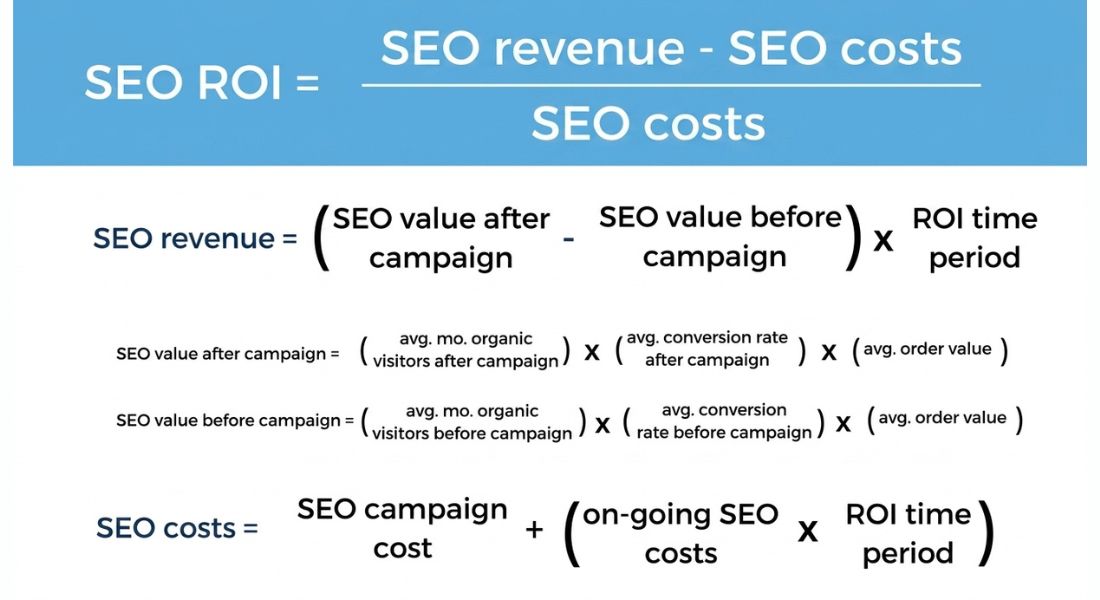
ROI tracking transforms gifting into an investment, not an expense.
What the market data suggests
Across sources, researchers suggest corporate gifting is accelerating due to analytics-driven strategies:
- ResearchAndMarkets cites data analytics and digital integration as major drivers of growth.
- Market projections show growth to over US$1.24 trillion by 2029.
- The Business Research Company highlights rising interest in tech gadgets—meaning gifting itself is becoming more tech-forward.
ROI tracking ensures companies stay aligned with budgets and goals.
Use Cases Across Tech Organizations
HR & People Teams
People teams use gifting platforms to:
- Send new hire bundles.
- Create morale boosters.
- Celebrate team achievements.
- Promote wellness.
They’re also tailoring gifts to hybrid workers. Data shows hybrid workers receive the most gifts—65%, per Vistaprint.
Sales & Marketing
Sales teams use gifts to:
- Break through inbox fatigue.
- Encourage demos.
- Reward loyalty.
- Add a human element to digital outreach.
Marketing teams pair gifts with campaigns, using them to increase engagement.
Customer Success
CS teams send renewal gifts, onboarding packages, and milestone tokens to help customers feel valued.
Executive Leadership
Leadership teams use gifting to reinforce culture, show appreciation, and support internal communications.
Popular Gift Categories in Tech
Gift preferences vary widely, but several patterns emerge.
Under $20
- Snacks (56% preference)
- Branded drinkware (43%)
- Tote bags (32%)
$100+
- Premium tech (51%)
- Experiences (50%)
- Personalized luxury items (39%)
Occasion-specific
- Food for birthdays (48%)
- Apparel for work anniversaries (32%)
- Premium desk items for promotions (28%)
These choices match tech workers’ desire for practicality, personalization, and premium items.
The Future of Smart Corporate Gifting
Where is this all heading? Several trends stand out.
1. AI-driven recommendations
AI will help choose gifts based on:
- Behavioral patterns
- Sentiment analysis
- Purchase cycles
- Engagement history
This reduces manual work and increases relevance.
2. More integrated platforms
Platforms will continue connecting to tools like Salesforce, HubSpot, Workday, BambooHR, and Slack.
3. Sustainability pressures
Companies are pushing for eco-friendly gifts, and vendors are adjusting. Sendoso notes sustainability as a major growth driver.
4. Global fulfillment improvements
Cross-border gifting will get easier, reducing shipping challenges.
5. Heightened expectations from employees
With 51% of employees not receiving a gift in the past year, according to Vistaprint, expectations are rising—not falling.
6. Cultural and regional customization
Global teams want gifts that resonate personally, not generic one-size items.
Conclusion
Smart corporate gifting is no longer an afterthought. It’s a fast-growing strategy powered by data, automation, and personalization. The numbers from multiple research firms—from The Business Research Company to BusinessWire, Sendoso, and Ridgegap—paint a clear picture: the world of corporate gifting is expanding fast, with projections hitting over a trillion dollars in the next few years.
Tech companies are leading this shift. They’re adopting intelligent platforms, building tagging systems, using automation, and tracking ROI with precision. And they’re doing it with one goal: delivering thoughtful, personalized gestures that strengthen relationships.
Whether it’s recognizing employees, engaging leads, supporting customers, or celebrating milestones, smart gifting gives tech organizations a way to show they care. And it does so with strategy—not guesswork.
As gifting platforms become more connected, more automated, and more insight-driven, expect the next generation of corporate gifts to be more meaningful, more relevant, and far more effective.
That’s the rise of smart corporate gifting—and it’s just getting started.