The global technology landscape is expanding rapidly, with emerging markets taking centre stage in digital evolution. For global enterprises penetrating these lucrative regions, traditional top-down marketing strategies are no longer sufficient. Southeast Asia provides a prime example of this fundamental shift.
As a rapidly maturing digital hub, the region demands highly specialised optimisation tactics from international brands. A recent report by Bain and Company reveals that the Southeast Asian digital economy is on track to surpass $300 billion in gross merchandise value, with over 60 percent of regional transactions taking place digitally.
Mastering local search behaviours in these dynamic environments is not just an advantage. It is an absolute requirement for tech companies aiming for sustainable, long-term growth.
Navigating these diverse and competitive Asian tech hubs requires a deeply granular approach to search visibility. When targeting a major metropolis, a standard national campaign will often fail to capture the specific commercial intent of local businesses and consumers.
For instance, executing an effective campaign for Bangkok SEO demands a profound understanding of how users interact in a congested, mobile-dependent city. Rather than applying broad strokes, successful digital marketing teams must analyse commuting habits, regional commercial districts, and exact user pain points.
This localised focus ensures that marketing budgets are directed towards users who are actively seeking solutions and ready to convert, rather than being wasted on irrelevant traffic from outside the primary urban centre.
The Trap of Direct Translation in Global Campaigns
Many international businesses mistakenly treat new markets as monolithic entities, assuming that language is the only barrier to entry. When launching tech services in an Asian hub, marketing teams often translate their English keywords directly into the local language.
This basic approach completely ignores the cultural nuances, regional dialects, and specific ways local users actually phrase their daily search queries. Direct translation might achieve grammatical correctness, but it rarely captures the true commercial intent behind a search.
Brands that merely translate their primary terms rather than leveraging professional SEO services based on cultural intent often see their visibility vanish in competitive environments. Real user behaviour rarely aligns with dictionary translations.
Consumers frequently mix local dialects with English terminology, creating a unique hybrid search language. Failing to optimise for these colloquialisms means missing out on high-intent traffic and handing market share directly to local competitors who understand the culture.
Furthermore, the context in which keywords are used can vary drastically. A term signifying a high-end enterprise solution in one country might be used by consumers looking for free advice in another.
Without deep local insight, companies risk ranking for high-volume terms that deliver zero commercial value. This disconnect is a primary reason why well-funded global campaigns often underperform in Southeast Asian markets.
Navigating Urban Centres with Specific Optimisation
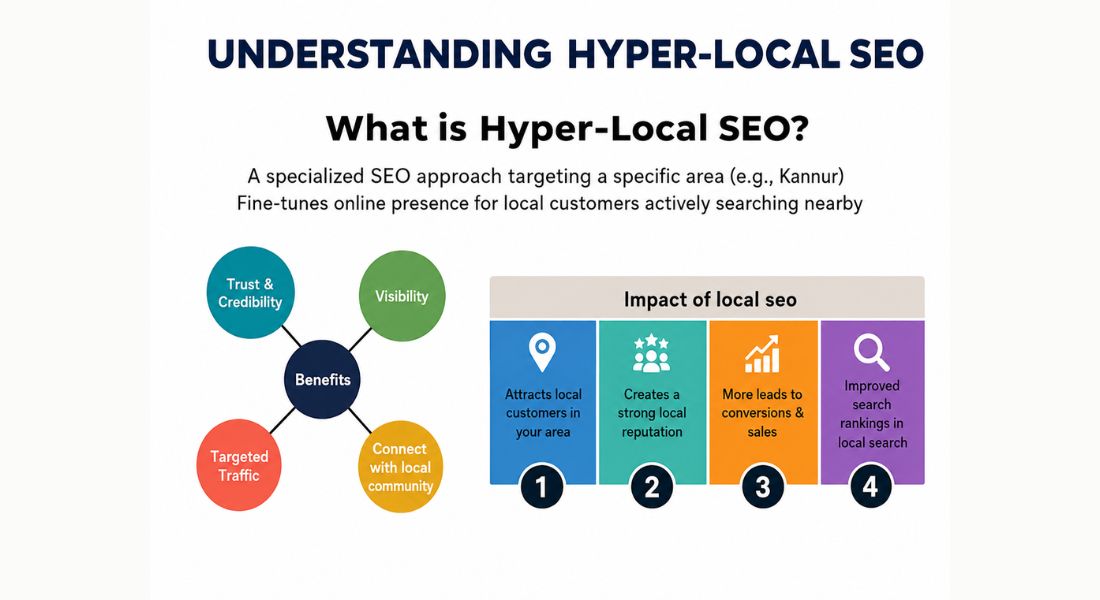
To capture a burgeoning market, global brands must target specific urban centres rather than relying on broad national data. Consumer behaviour in a bustling metropolis differs wildly from that in rural areas, requiring a hyper-local approach to search engine optimisation.
Cities with high digital penetration operate as distinct micro-economies. User search intent is heavily tied to local infrastructure, commuting habits, and unique lifestyle demands.
Consider how mobile connectivity shapes the daily digital experience. During long urban commutes, users are more likely to perform voice searches or seek immediate, location-based solutions.
A generic keyword strategy targeting an entire nation will completely overlook these time-sensitive queries. By focusing on city-level search patterns, companies can create tailored content that resonates with the exact pain points of an urban audience.
Key Pillars of a Hyper-Local SEO Strategy
Achieving lasting visibility in emerging tech markets requires a fundamental shift in how digital campaigns are structured. A successful hyper-local strategy goes far beyond basic keyword insertion. It demands a holistic understanding of the local digital ecosystem and the specific platforms users prefer.
To build a robust and competitive presence in Asian tech hubs, digital marketing teams should focus on the following foundational pillars:
Identifying hybrid search terms: Modern consumers frequently blend English technical jargon with local phrasing. Researching how real users speak on regional tech forums and social platforms will uncover valuable, low-competition keywords that standard research tools might miss.
Analysing device preferences: Emerging markets are overwhelmingly mobile-first. Search queries are often shorter, voice-activated, or heavily reliant on localised algorithms designed for smartphones. Optimising for mobile speed and local business directories is crucial for capturing foot traffic and local leads.
Mapping local topical authority: Instead of publishing generic industry guides, brands must create content that addresses hyper-specific local problems. This signals to search engines that your brand is an active, relevant participant in the local economy rather than a distant international entity.
Leveraging regional social proof: Integrating locally recognised trust signals, such as regional payment gateways or partnerships with local tech influencers, directly impacts how users evaluate your brand right from the search engine results page.
Bridging the Gap Between Global Scale and Local Relevance
As the digital economy flourishes across Southeast Asia, the blueprint for international expansion must continually evolve. Relying on direct translations and broad national strategies will only dilute a brand’s impact in increasingly crowded spaces.
By mastering hyper-local search intent, technology companies can effectively bridge the gap between global scale and local relevance. Those who invest the time to understand the unique search behaviours of individual cities and cultures will ultimately dominate the next frontier of the global tech market.