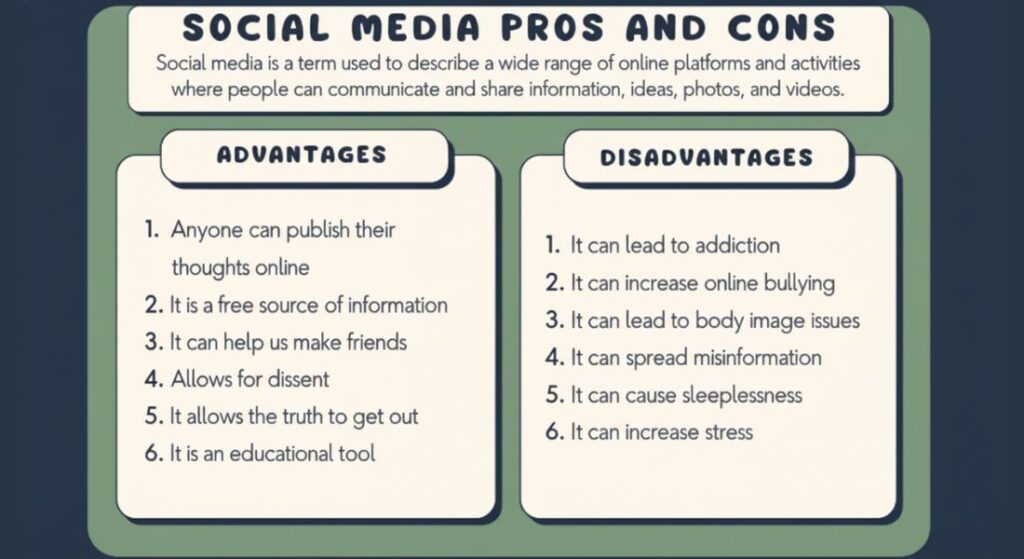
Social media has become an integral part of modern life connecting billions of people worldwide. From sharing photos and videos to networking for careers, social platforms like Instagram TikTok, YouTube X (Twitter) Facebook and LinkedIn offer a wealth of opportunities.
However while social media brings numerous benefits, excessive or careless usage can have significant downsides.
This guide provides a balanced perspective on the advantages and disadvantages of social media along with practical strategies to maximize its benefits while minimizing risks for teens, adults and professionals alike.
The Pros of Social Media
Communication & Connectivity
- Enables real-time collaboration for remote teams and global businesses allowing people to work together instantly regardless of location. This improves productivity and makes international communication seamless.
- Helps maintain long-distance relationships through voice and video interactions making it easier for families and friends to stay emotionally connected. Regular interaction reduces the feeling of distance.
- Emergency communication during crises or natural disasters becomes faster and more accessible helping people share updates, seek help and stay informed in real time.
- Communities like alumni groups, professional circles and interest-based forums strengthen long-term connections by bringing like minded people together for continuous interaction and support.
Learning & Education
- Access to micro learning (short digestible content) improves knowledge retention by allowing users to learn quickly without feeling overwhelmed. It fits easily into daily routines.
- Live sessions Q&As and expert AMAs allow direct interaction with industry professionals giving learners practical insights beyond traditional education methods.
- Educational influencers simplify complex topics like finance coding and health making learning more engaging and understandable for a wider audience.
- Students can build digital portfolios showcasing projects and achievements which helps them demonstrate skills and stand out in academic or professional opportunities.
Entertainment & Creativity
- AI-powered filters editing tools and music libraries enhance content creation quality enabling even beginners to produce professional-looking videos and visuals.
- Creators can monetize content through ads sponsorships and memberships turning their passion into a sustainable income source.
- Viral trends help creators gain rapid visibility and recognition allowing them to grow their audience quickly without heavy investment.
- Platforms encourage experimentation helping users discover hidden talents and explore different creative formats like videos, art and storytelling.
Business & Marketing Opportunities
- Advanced targeting allows businesses to reach specific audiences based on behavior interests and demographics increasing the chances of conversions and sales.
- Influencer collaborations increase trust and brand credibility as audiences often rely on recommendations from people they follow and admire.
- Real-time customer feedback helps businesses improve products quickly by understanding customer needs and addressing issues instantly.
- Small businesses can compete with larger brands through organic content strategies, creative storytelling and consistent engagement without requiring huge budgets.
Social Movements & Advocacy
- Grassroots movements can gain global visibility within hours allowing small initiatives to grow into powerful campaigns with worldwide support.
- Fundraising campaigns and donations become easier through integrated tools enabling quick financial support for causes and emergencies.
- Voices of marginalized communities get a platform to be heard promoting inclusivity and encouraging meaningful conversations.
- Governments and organizations can spread awareness quickly during emergencies ensuring accurate information reaches a large audience in less time.
Skill Development & Career Growth
- Learning in-demand skills like content creation, SEO and digital marketing becomes more accessible through tutorials and real-world examples shared online.
- Freelancers can showcase their work and attract international clients expanding their opportunities beyond local markets.
- Personal branding increases authority in specific niches helping individuals build trust and recognition in their industry.
- Job seekers can directly connect with recruiters and decision-makers improving their chances of finding better career opportunities.
Cultural Awareness & Community Building
- Exposure to global traditions, languages and lifestyles broadens perspectives helping users understand and appreciate different cultures.
- Niche communities offer support and collaboration allowing people with similar interests to learn, grow and share experiences together.
- Promotes inclusivity by connecting people with shared experiences especially those who may feel isolated in their local environments.
- Encourages open discussions on global issues helping users stay informed and engaged with important social topics.
Website Traffic & Brand Building
- Social sharing increases visibility and drives referral traffic to websites helping businesses and creators reach a larger audience.
- Consistent posting builds audience trust and recognition over time making users more likely to engage with your content or services.
- Helps establish thought leadership by sharing valuable insights positioning individuals or brands as experts in their field.
- Content repurposing maximizes reach by turning blogs into videos reels or posts ensuring better content utilization across platforms.
The Cons of Social Media
Privacy Concerns & Data Vulnerabilities
- Third-party apps may collect and misuse user data without clear consent putting personal information at risk without users fully realizing it.
- Location tagging can expose real-time whereabouts increasing safety risks and making users vulnerable to unwanted attention.
- Weak passwords or poor security practices make accounts easier to hack leading to potential loss of personal or financial data.
- Data breaches on platforms can expose millions of users at once causing widespread privacy issues and identity theft risks.
Misinformation & Fake News
- Clickbait headlines often mislead users for engagement, encouraging them to share content without verifying its accuracy.
- Deepfake technology increases the spread of manipulated content making it difficult to distinguish between real and fake information.
- Echo chambers reinforce biased beliefs by showing similar content repeatedly limiting exposure to diverse viewpoints.
- Lack of media literacy makes it harder for users to identify credible sources increasing the chances of spreading false information.
Cyberbullying & Harassment
- Persistent harassment can impact mental and emotional well-being leading to stress anxiety and loss of confidence.
- Cancel culture can lead to public shaming without full context damaging reputations quickly and sometimes unfairly.
- Negative comments and trolling discourage content creation especially for beginners or sensitive individuals.
- Lack of strict moderation on some platforms allows harmful behavior to continue making online spaces unsafe for many users.
Addiction & Time Management Issues
- Endless scrolling features increase screen dependency by constantly providing new content making it hard for users to stop.
- Dopamine-driven notifications create habit-forming behavior encouraging users to check their devices repeatedly.
- Reduced productivity in work or studies occurs due to frequent interruptions and time spent on non-productive activities.
- Difficulty maintaining a healthy routine can arise affecting sleep patterns, focus and overall daily structure.
Mental Health Effects
- Unrealistic beauty standards and lifestyles create comparison pressure making users feel inadequate or dissatisfied with their own lives.
- Fear of Missing Out (FOMO) increases stress as users feel they are missing experiences others are enjoying.
- Validation through likes and comments affects self worth leading people to depend on external approval for confidence.
- Overexposure to negative news can lead to emotional exhaustion, anxiety and a constant sense of worry.
Social Isolation & Shallow Connections
- Digital communication may replace deeper face-to-face interactions weakening personal relationships over time.
- Relationships may become transactional rather than meaningful focusing more on engagement than genuine connection.
- Over-reliance on online validation reduces real-life confidence making in-person communication more difficult.
- Decreased ability to build strong interpersonal skills can affect both personal and professional relationships.
Distraction & Productivity Loss
- Multitasking between apps reduces focus and efficiency making it harder to complete important tasks effectively.
- Frequent notifications interrupt deep work, breaking concentration and reducing the quality of output.
- Time spent on social media reduces time available for personal growth, learning or skill development.
- Students may struggle academically due to constant distractions and reduced study time.
Frauds & Scams
- Fake giveaways and investment schemes target inexperienced users often promising unrealistic returns to trap victims.
- Impersonation accounts trick users into sharing sensitive data leading to identity theft or financial loss.
- Online shopping scams result in fake products or non-delivery damaging trust in online transactions.
- Phishing links can compromise financial and personal information especially if users click without verifying authenticity.
Practical Tips for Safe and Productive Social Media Use
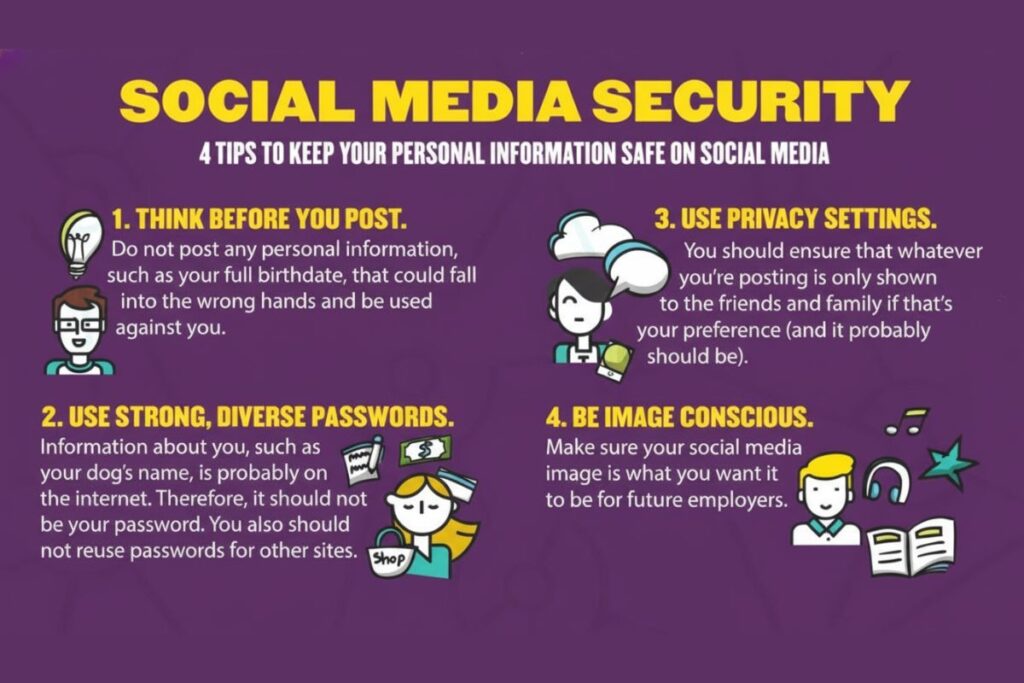
- Set Time Limits – Use built-in screen tracking tools to monitor your daily usage and identify where time is being wasted. Setting limits helps create discipline and prevents excessive scrolling habits.
- Verify Information – Always cross-check news with trusted and reliable sources before sharing it. This reduces the spread of misinformation and builds your credibility as a responsible user.
- Privacy Settings – Regularly review and update your privacy settings to control who can view your content and access your personal information. This minimizes risks related to data misuse.
- Parental Guidance for Teens – Encourage open conversations about online behavior instead of strict monitoring helping teens build awareness and responsible digital habits.
- Offline Engagement – Balance your online presence with real-world activities like exercise hobbies and social interactions to maintain a healthy lifestyle.
- Professional Development – Follow industry experts, join relevant communities and use social media strategically to learn skills and grow your career.
- Content Control – Unfollow or mute accounts that negatively affect your mood or productivity creating a healthier and more positive feed.
- Digital Detox – Take regular breaks from social media to refresh your mind, improve focus and reduce stress caused by constant online engagement.
Popular Social Media Platforms Overview
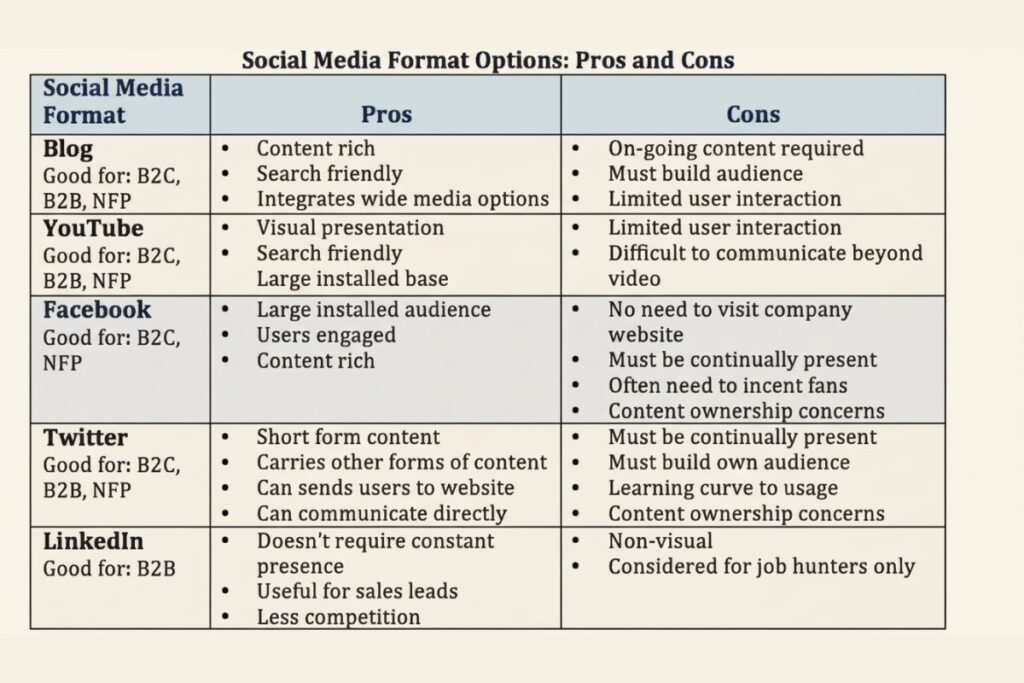
| Platform | Primary Use | Key Features | User Base & Demographics |
| Visual content influencers | Reels Stories Shopping Collabs | 2B+ ages 18–34 top: India US Brazil | |
| TikTok | Short-form video entertainment | FYP Algorithm Duets Creator Marketplace | 1.5B+ ages 16–30 top: US SE Asia |
| YouTube | Video education & entertainment | Shorts Live Premium Analytics | 2.5B+ all ages top: India US Brazil |
| X (Twitter) | News trends public discourse | Spaces Communities Premium | 600M+ ages 25–44 top: US Japan India |
| Professional networking | AI job recommendations Learning Company pages | 1B+ ages 25–49 top: US India UK | |
| General social networking | Groups Marketplace Live | 3.07B+ ages 25–44 top: India US Brazil |
Conclusion
Social media is a double edged sword. It enables communication, creativity , learning business growth and social advocacy yet carries risks including privacy issues, addiction, mental health effects and misinformation.
The key is responsible usage: balancing screen time verifying information protecting privacy and leveraging platforms for learning career and social growth.
When used thoughtfully the advantages far outweigh the disadvantages making social media a powerful tool for personal educational and professional development.
FAQs
Is social media good or bad?
Social media can be both beneficial and harmful depending on how it is used. It allows people to stay connected, learn new skills and share ideas which can be very positive. However overuse or careless activity can lead to addiction stress misinformation and privacy risks making responsible use essential.
How can teens use social media safely?
Teens can stay safe by maintaining open communication with parents or mentors about their online activities. Setting screen time limits and understanding privacy settings can prevent overuse and protect personal information. Additionally learning to critically evaluate content and avoid sharing unverified information helps build responsible digital habits.
What are the main benefits for businesses?
Social media helps businesses build brand awareness, reach targeted audiences and engage customers directly. It provides cost effective marketing tools, insights from analytics and opportunities for lead generation. By interacting with followers and responding to feedback companies can strengthen trust and improve products or services.
How do social media algorithms affect users?
Algorithms personalize the content users see based on interests, engagement and behavior patterns. While this can improve relevance it may also create filter bubbles, promote addictive usage and limit exposure to diverse viewpoints. Understanding algorithms helps users make conscious choices about what they engage with online.
What are signs social media is harming someone?
Warning signs include disrupted sleep anxiety, low self-esteem or feeling constantly pressured to check notifications. People may withdraw from offline activities, neglect responsibilities or become emotionally dependent on online validation. Recognizing these signs early allows for adjustments such as taking breaks or seeking support.
Can social media skills improve career opportunities?
Yes, mastering social media skills can enhance networking, personal branding and content creation abilities. Professionals can use analytics to make strategic decisions and improve engagement for themselves or their organizations. These skills are highly valued in marketing digital media and business roles opening doors to career growth and new opportunities